
Agtron readers. The little machines that cost you a fortune, only to tell you…how brown your coffee is? Why would you even want to have precise information about that?
Well, if you ever tried to ask someone (or your favorite coffee shop) “how dark do you roast your coffee?”, you probably have experienced first hand how confusing it can be when fellow coffee enthusiasts try to communicate roast degrees with others. After all, what is “light roast” for you might be some other person’s “espresso roast”.
And this, my friend, is exactly why color measurement scales and devices have been invented – in hope of standardizing the answer to a very simple yet important question: How dark, exactly, do you roast your coffees?
The goal of this article is to help readers understand color measurement for coffee, why it matters, and how it can help you with your coffee roasting.
We will start with practical application tips and best practices, and for those wanting the total package of color reading knowledge, we will then dive a bit deeper into the history, science, and fundamentals of roast color reading in general.
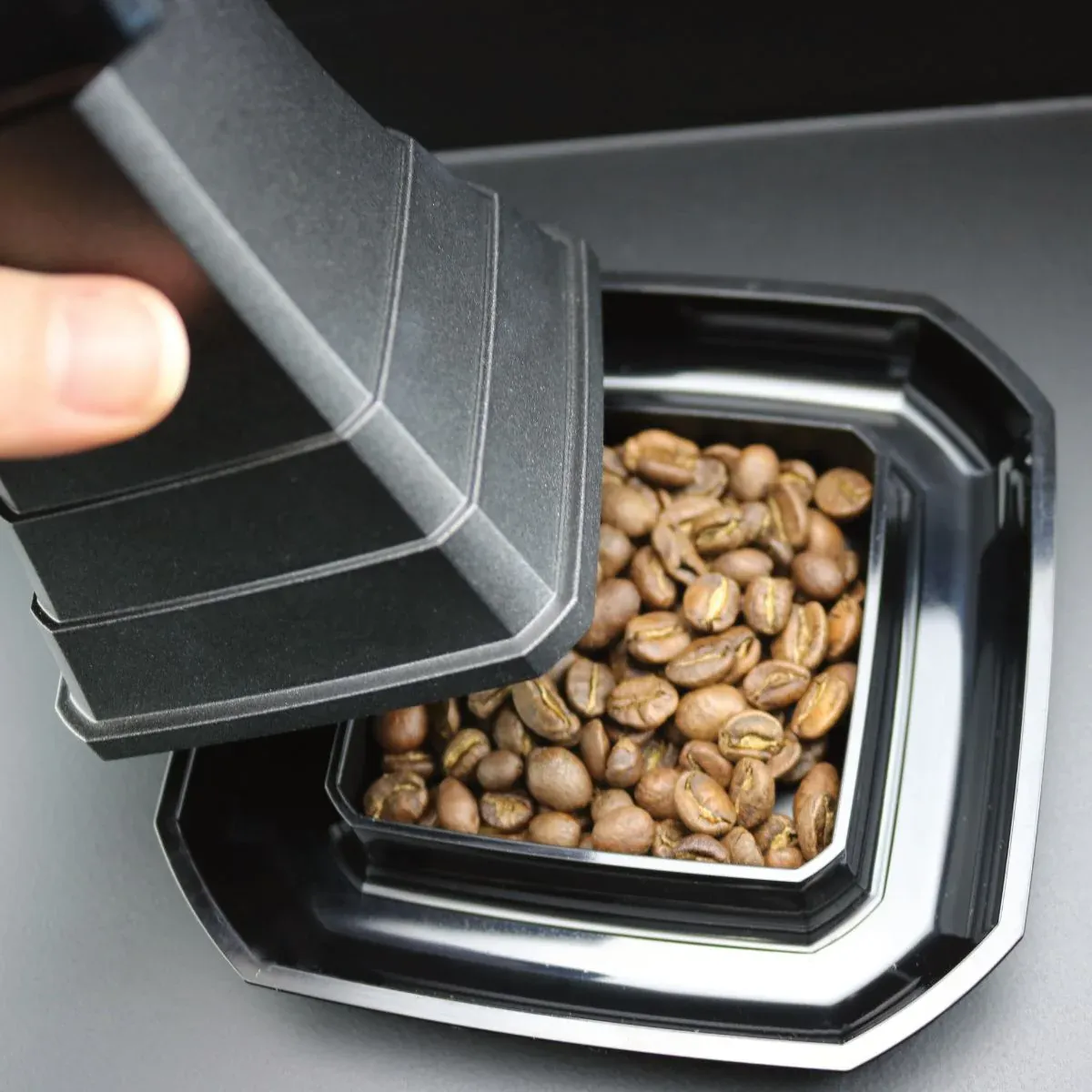
[Fig. 1] Measuring the color of roasted coffee – this is what this article’s all about. Photo excerpt from Coffee Roast Co’s website.
Practical Guide for Better Roast QC using Agtron Measurements
Fundamentals: How to Interpret Agtron Numbers
Put simply, the Agtron scale directly correlates “surface reflectance“ with degree of roast.
As the beans darken, they absorb more light, resulting in less reflectance and hence lower Agtron values (detailed explanations will be provided in the next two sections of this article).
Common examples for possible Agtron values are:
- a deeply roasted coffee may measure around 30
- a very light-roasted coffee will score closer to 90 or even higher
The Specialty Coffee Association (SCA) defines lighter roasts with higher Agtron values (for example, 80–100), while darker roasts yield lower numbers (often 25–45), facilitating clear and consistent language across the industry for both flavor development and quality control.
Below is SCA’s standard Agtron “Gourmet” scale, demonstrated with actual roasted coffees along the traditional color charts (on a side note, there is also an Agtron “Commercial” scale which has a set of different values, but nowadays most will use the Agtron “Gourmet” scale).
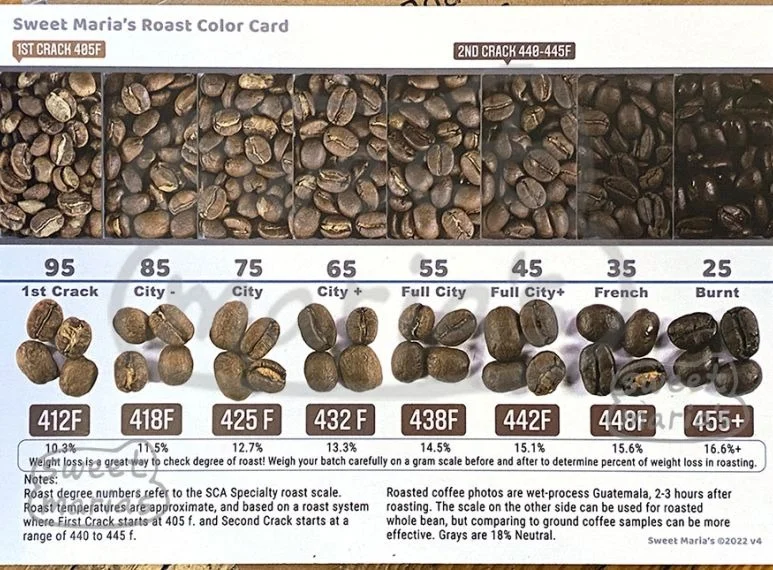
[Fig. 2] From 95 (very light) to 25 (burnt), the Agtron scale can give roasters a very objective reading regarding the actual “darkness” of coffee. Photo excerpted from Sweet Maria’s website.
Common Agtron Reading Devices
Although the original Agtron reading device is the one invented and sold by Agtron Inc., we seldom see it in use nowadays due to its heft (it looks exactly like a microwave) and rather intimidating prices.
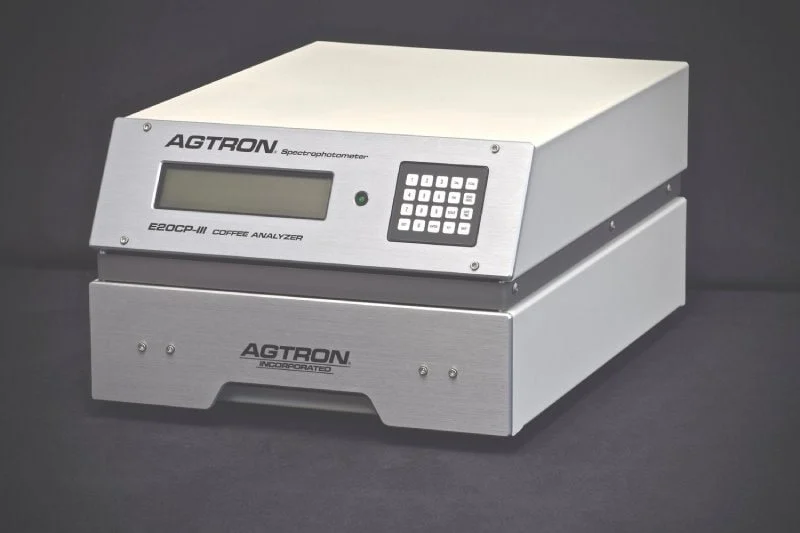
[Fig. 3] The OG of color readers. Also, Agtron Inc. has made a similar-looking instrument used to measure the “fried-degree” of…frenchfries (good to know people are caring about precisely fried potatoes). Photo excerpted from https://www.agtroninc.com/analyzers/e20cpiii/
More commonly seen Agtron readers nowadays are: the CM series from Lighttells (which is popularized by becoming the designated color reader of World Coffee Roasting Championships), and the Omix and Omni readers from the newer coffee equipment brand DiFluid.
So for the rest of this part, we will focus on giving out some practical tips for those who are using these kinds of Agtron reading devices that can greatly optimize your color measuring procedures.
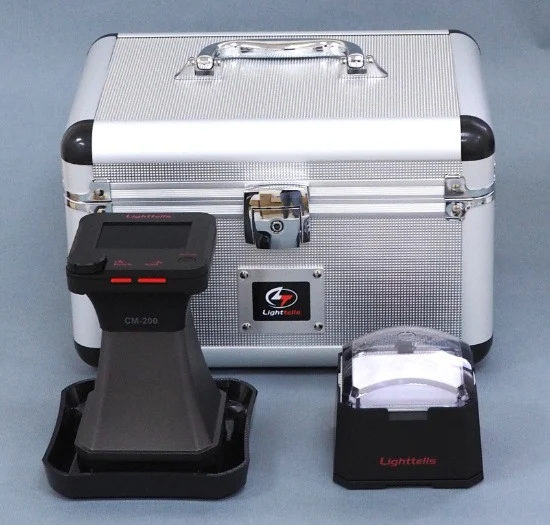
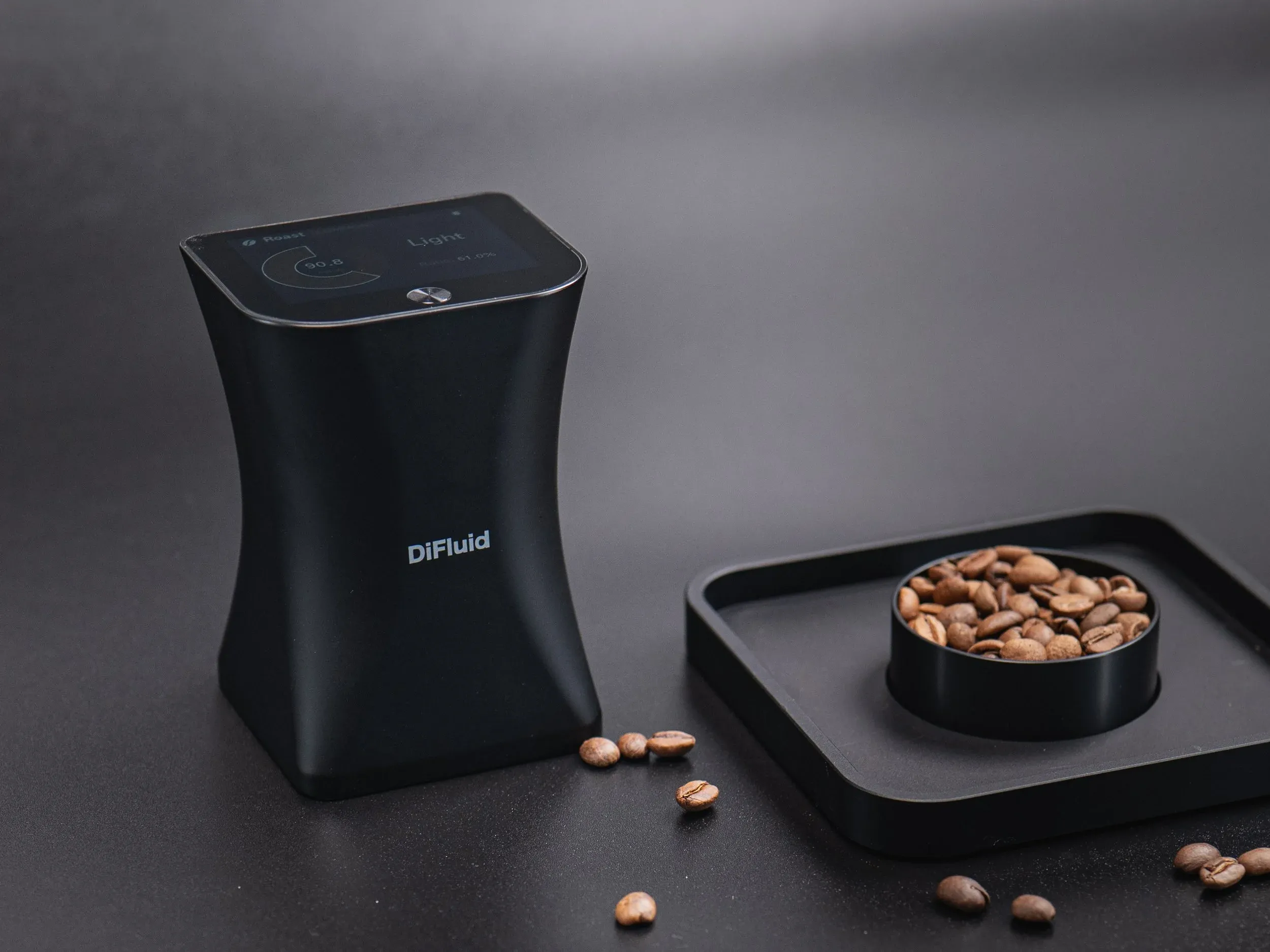
[Fig. 4] Lighttells CM200, the official roast color reader for World of Coffee competition events (on the left) and the newly launched Difluid Omni color reader. Photo excerpted from Lighttells official website & SCA official website.
The 4 Factors Affecting Agtron Readings – What to Look After for Consistency’s Sake
1. Whole Bean vs Ground Coffee
Agtron readings differ significantly depending on whether the measurement is made on whole beans or ground coffee.
Whole bean readings primarily reflect the color and caramelization of the bean’s surface, providing insight into the external roast development. In contrast, ground coffee readings reveal the overall roast development inside the bean, as grinding exposes the less-roasted interior.
The original Agtron reader was designed to analyze ground coffee — a format that ensures more even and reliable measurement — while later adaptations attempted to standardize measurements for whole beans. However, whole bean measurements are inherently less consistent due to (1) surface variations and can overemphasize external characteristics, sometimes masking internal underdevelopment, and (2) the difficulty in preparing an “identically packed” sample of roasted whole beans, with the large cavities between each coffee beans causing a lot of confusion for the color reading instrument, which is designed to measure tightly packed, powder-like samples.
For best results, professionals often use both readings, setting tighter measurement tolerances for the inherently more accurate & precise ground color readings and relaxing the QC standard a bit for the whole bean color readings. Some will also pay attention to the so-called “Roast Delta,” the difference between whole bean and ground readings, as a marker of uniformity and roast quality.
2. Grind Size of the Ground Coffee
From a reflectance perspective, the grind size of coffee has a direct impact on Agtron readings even when analyzing the same batch.
Finer grinding increases the total surface area and creates a more uniform and densely packed sample, typically resulting in higher (lighter) Agtron values due to enhanced light scattering and reflectance. Conversely, coarser grounds allow more light to penetrate gaps and be “trapped” within the sample, lowering reflectance and yielding darker readings.
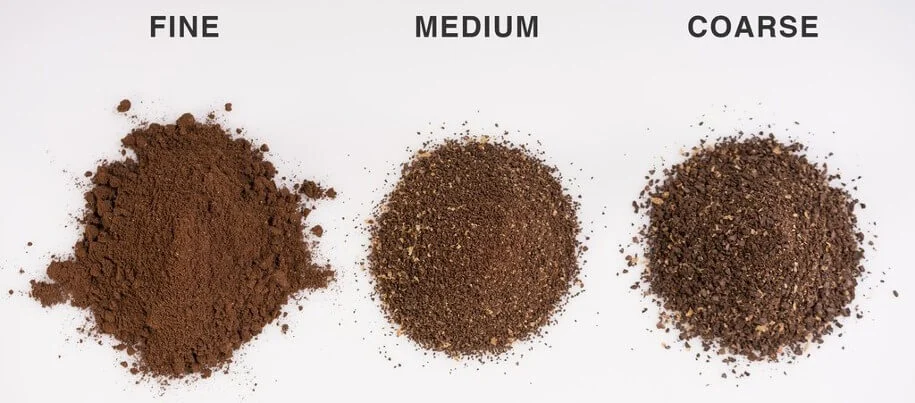
[Fig. 5] For a same batch of roasted coffee, if you do your roast color measurements using the 3 grind sizes above, you will get totally different Agtron values; The coarse one may measure 70 on the Agtron Gourmet scale, while the medium comes in at 85 and the fine one measuring a whopping 95. However, regardless of the numbers telling you the coffees are “medium, light, and ultra-light” roasts, you know exactly that these 3 are, in fact, the same roast. Photo excerpted from Milk & Honey Coffee Co.
Importantly, finer particle sizes not only shift readings upward but also support more reliable results over repeated measurements and time.
This greater reliability comes from the “reduced variability within each sample presentation”: a finer grind minimizes the uneven distribution of roast color and mitigates the impact of outliers, resulting in less variation between repeated readings.
Because reflectance is more consistent from one test to the next, using a fine grind is a best practice for those seeking to monitor roast changes and quality control across multiple batches. This effect underscores the necessity for consistent grind size between measurements; otherwise, results can vary significantly for chemically identical coffees.
3. Timing After Roasting
The timing of Agtron measurements relative to when the coffee was roasted also affects readings. Freshly roasted beans are essentially moisture-free on the surface, but as they cool and are exposed to the environment, they begin to re-absorb atmospheric moisture.
This subtle change alters the beans’ reflectance properties, gradually impacting the Agtron value. Additionally, post-roast chemical changes — such as oxidation and further degassing — can subtly darken the beans’ appearance or change reflectance, meaning that measurements made immediately after roasting may differ from those taken hours or days later, even for the same batch.
4. Sample Preparation Method
The method used to prepare coffee samples for Agtron analysis can introduce significant variation in results.
For instance, tamping (compressing) the ground coffee increases the density, changing how tightly the particles are packed. Denser samples scatter light differently, thus altering the final reading.
Another scenario where sample preparation might impact readings is the presence of residue from previous samples in the measuring chamber; if not thoroughly cleaned, this residue can darken the current sample and skew results.
Consistency in preparation — regarding depth, density, and cleanliness — is essential to achieve reproducible Agtron values for quality control and roast comparison.
How To Get Reliable Color Readings for Your Roastings – 3 simple things to look after
So, following from the previous section, if you want to have reliable and accurate color readings, just make sure that you:
- Use a fixed grinder setting on a dedicated QC grinder for all sample grindings (and as stated previously, a finer grind is recommended).
- Prepare the ground coffee samples in a simple and replicable way;
For example, just allow the coffee grounds to “free-fall” onto the sample tray, shake it even, and then take a ruler to slowly and steadily scrape the surface flat, removing excessive grinds while avoiding any tamping actions that might affect the sample’s overall density.
- Take the color measurements at a specific time after roasting (we recommend you do your QC color readings straight out of the cooling tray, right after the beans cooled to room temperature, and the bean structure still doesn’t have enough time to re-absorb too much of ambient moisture to affect the readings noticeably).
Why color matters in coffee roasting
Roast color measurement offers a fast, accessible, and “relatively objective” way to assess the roast levels of a roast. The color of ground coffee powder is directly linked to the chemical changes occurring inside coffee beans; these changes ultimately shape the drink’s flavor and aroma profile.
Color as a Proxy for Flavor Development
Coffee’s color, as it shifts from pale green to glossy brown, isn’t just aesthetic — it’s a practical guide to flavor development.
Even when coffee roasters lack the technology to accurately measure roast product color, it has long been known that variations in roast color can closely correspond with shifts in the coffee’s acidity, sweetness, bitterness, and aromatic intensity/impression: lighter roasts tend to reveal brighter, floral flavors, while darker roasts nurture chocolate, roasted, and caramel notes.
Visual Versus Instrumental Methods
Traditionally, coffee color was judged visually against reference color tiles or charts — a process vulnerable to errors from lighting conditions and subjectivity.
Visual evaluation, while very accessible (read: cheap), can lead to inconsistencies, especially when scaling up production or seeking repeatable results.
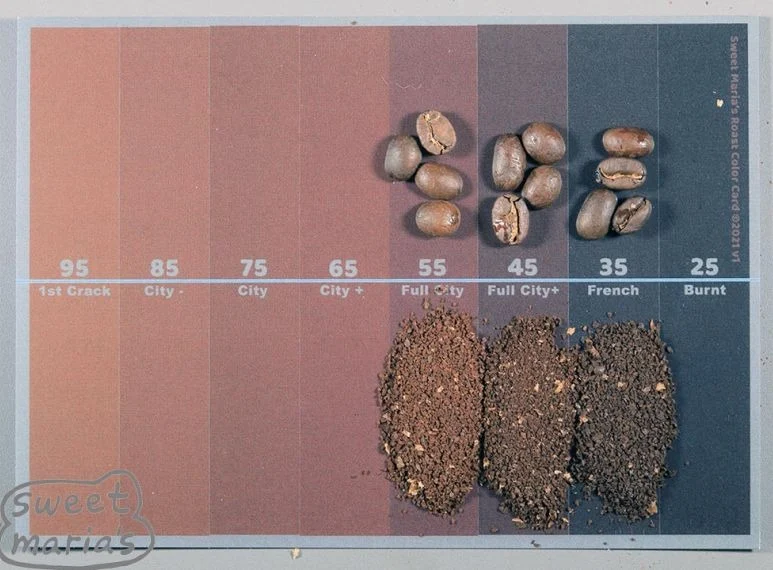
[Fig. 6] Just like the color of this photo not correctly picturing the roasted coffee’s color, human eyes also are prone to misjudgements regarding the “darkness” of coffee. Photo excerpted from Sweet Maria’s website.
Today, instrumental methods such as “spectrophotometers” and “colorimeters” (in lay men’s terms: color reading devices) provide much more precise and consistent readings by quantifying bean surface or ground coffee’s color against standardized scales like the “Agtron scale”.
Development of Color Reading Technologies
As coffee roasting technology advanced throughout the years, several different kinds of color measuring systems/scales have been developed and proposed to the market. Notable color measuring systems includes:
Agtron
The Agtron scale is THE most widely adopted industry standard for measuring coffee roast color. Although the original Agtron system’s high cost and technical requirements can limit its accessibility to larger roasteries, currently, many manufacturers have made their own portable & more affordable versions of an Agtron color reader, spreading the adaptation of this color reading scale even further.
The technology utilizes near-infrared reflectance to determine the degree of roast, providing a numerical value that ranges typically from 100 (very light roast) to 20 (very dark roast), correlating with flavor development and roast progression.
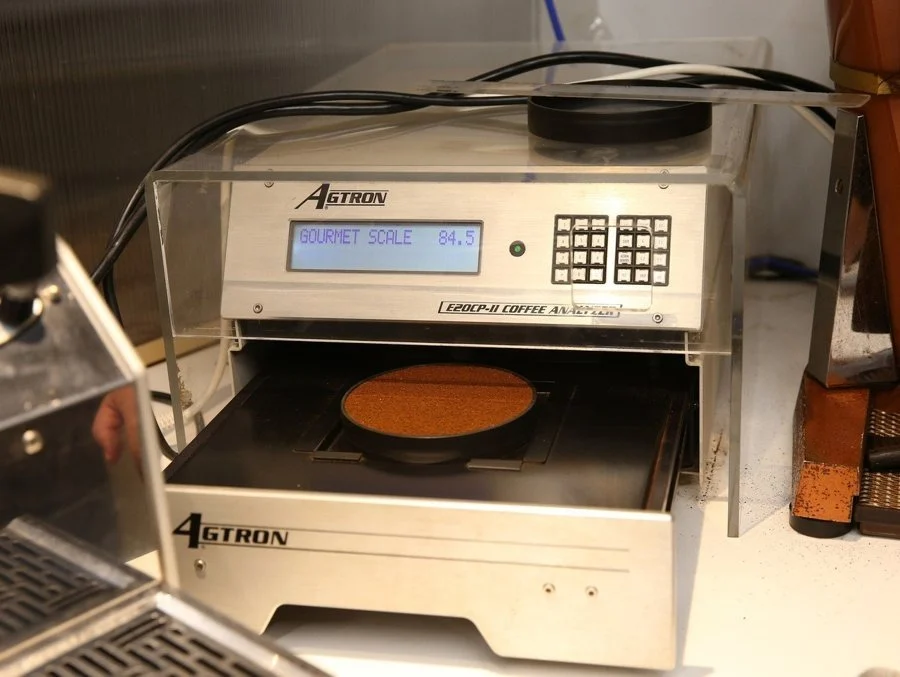
[Fig. 7] The OG “Agtron” Agtron color reader in action. Note the size of the ground coffee sample tray. One measurement can use up to 40g of grounded coffee, increasing the accuracy and precision of the readings statistically but also wasting more coffee. Photo excerpted from udn news website.
The Colorette System
Developed by Probat (yes, that iconic germany coffee roasting machine manufacturer), the Colorette system employs a colorimeter methodology, relying on “tristimulus (e.g. RGB or L*a*b) measurement” to represent color in a way that aligns with human perception.
Colorette offers objective numeric readings of roast colors which can be translated to standardized color scales. This device type is appreciated for its reliability and versatility, enabling both roasters and researchers to easily compare roast degrees across different batches and processing techniques.
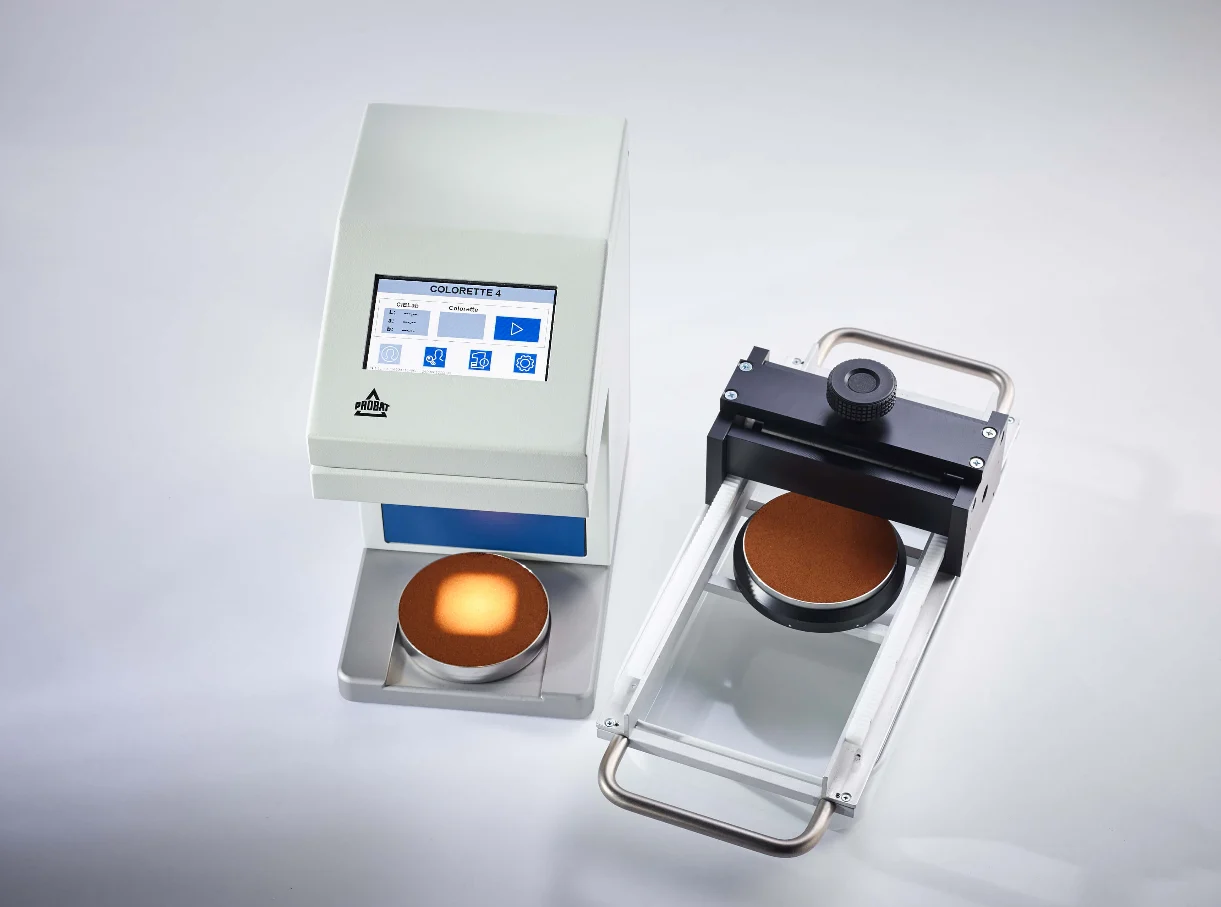
[Fig. 8] The Colorette color measuring system from Probat, which comes with a sample preparation gadget that further minimizes any possible human-induced inaccuracies. Photo excerpted from Probat website.
ColorTrack
ColorTrack differs from the other two color reading technologies by building a laser reflectometry-based color reading system.
It utilizes advanced laser reflectometry to deliver highly accurate and representative roast color measurements. Also, this technology enables ColorTrack to offer real-time bean color monitoring solutions during roasting with its Realtime system, which can be fitted onto your existing coffee roasting machine.
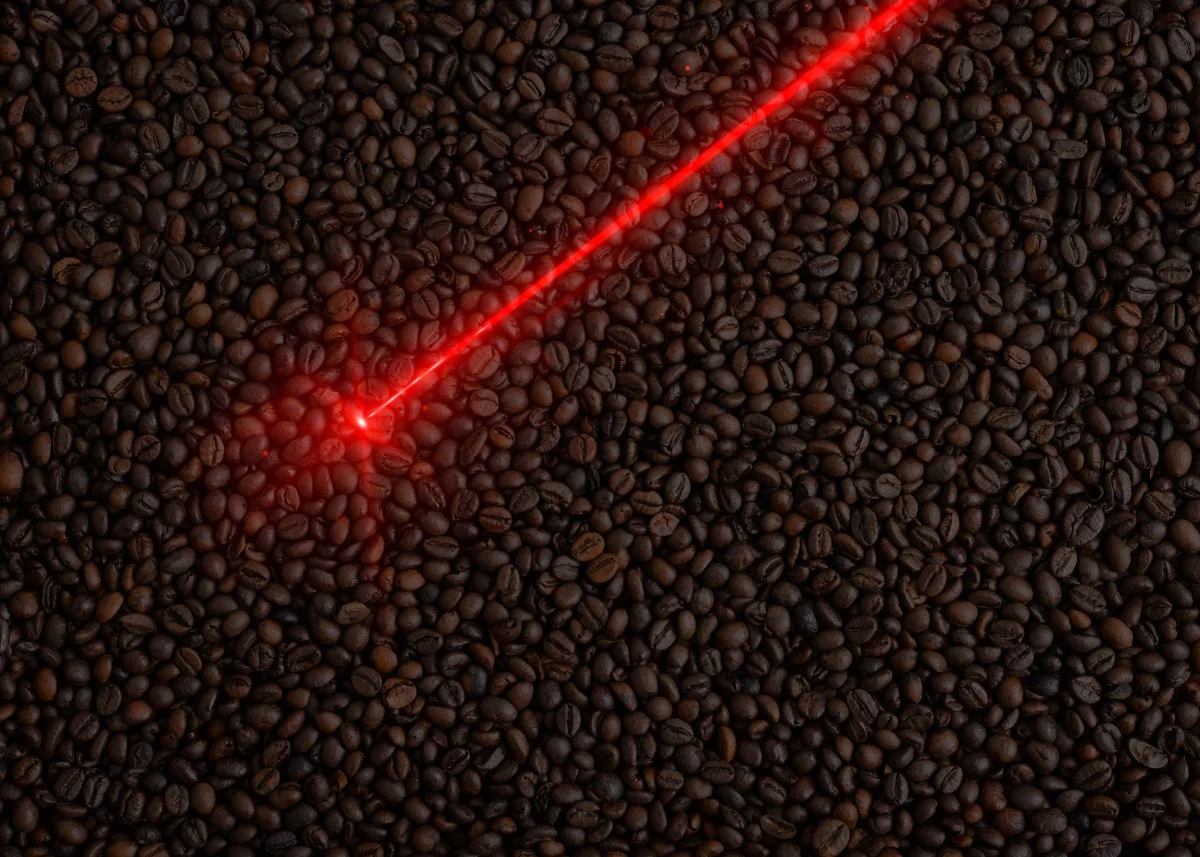
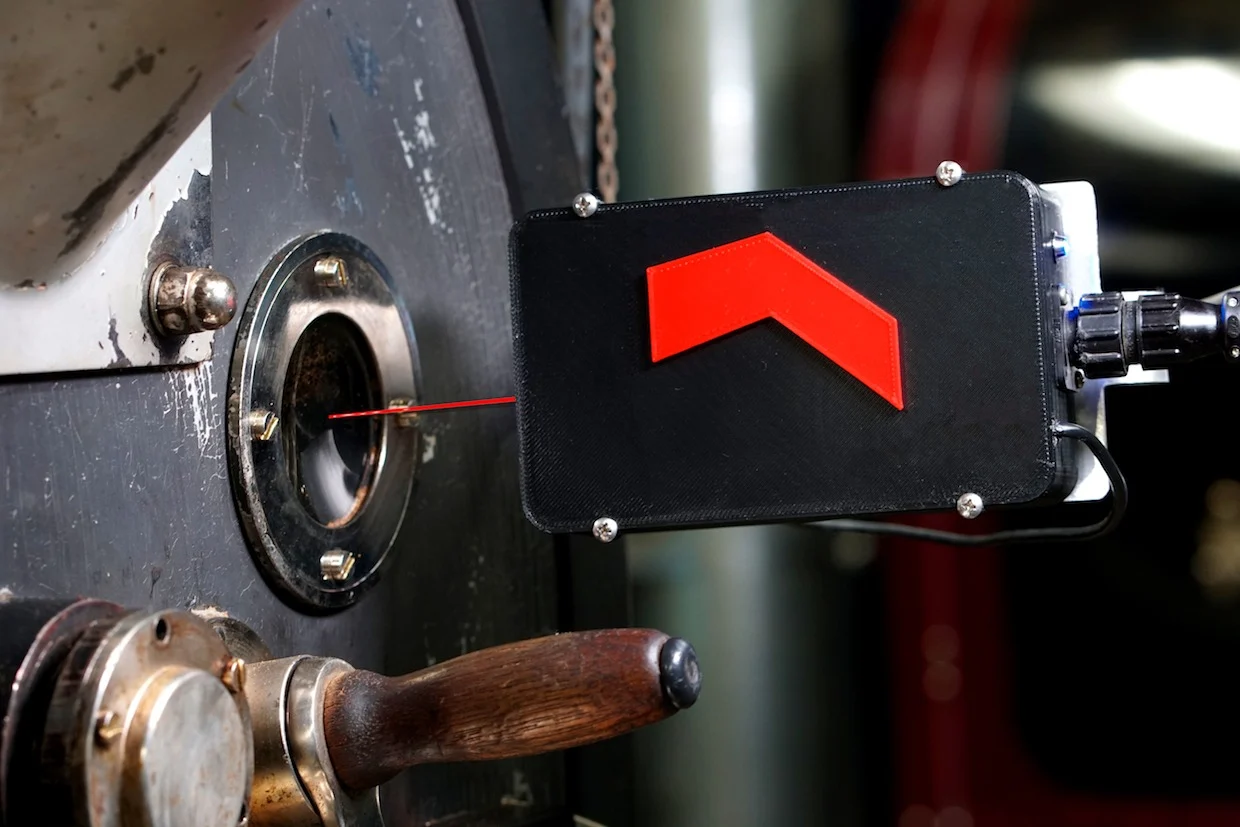
[Fig. 9] By adopting a totally different technology, the real time, fast-reading then averaging laser measurements on the ColorTrack color measuring systems might elevate the precision of the roasting process once again. Photo excerpted from Daily Coffee News website.
The company claims that their technology is sounder, more accurate, and needs far less calibration than the near-infrared reflectance technology used by Agtron readers. Also, some users report that the ColorTrack system can give much more reliable readings regarding “whole bean surface color” (which, as stated in previous sections, is what the Agtron reading technology typically struggles to do).
However, adaptation and popularity of the ColorTrack system has yet to catch up to these days, making it hard for us to actually test this system out first hand.
In contrast, Agtron has already been a relatively widespread standard, and even some none-roasting people can have easy access to such measuring tools.
How Agtron Became The Industry Standard
The Agtron scale was invented in the 1970s through a collaboration between Agtron Inc., an American instrumentation company, and the Specialty Coffee Association of America (SCAA).
Developed in response to the need for objective, repeatable roast evaluation, Agtron technology rapidly became integral to quality control labs, commercial roasteries, and specialty coffee producers seeking batch-to-batch precision and global consistency.
The two key historical milestones for Agtron adoption in specialty coffee include:
- In the late 1980s, leading specialty coffee organizations began implementing the Agtron scale in their quality control protocols, allowing producers and buyers to establish standardized roast levels for competitions and commercial grading.
- By the early 2000s, the Cup of Excellence and major events governed by the Specialty Coffee Association (SCA) made Agtron readings a mandatory part of coffee submissions, solidifying its role as the universal reference for roast degree across the global industry
Currently, its use is required for submissions in leading events such as the Cup of Excellence and World Coffee Events, establishing Agtron values as a “common language” of roast profile in both production and evaluation contexts.
What Does Agtron Measurements Actually Measure
To answer this question, some chemistry needs to be involved. Feel free to completely skip this part if you want nothing to do with chemistry. We promise it won’t in any way affect your use of the instrument in real-life scenarios. But if you are also curious about how the Agtron reader actually works, let’s dive in now!
Chemical Basis: Maillard Reaction, Caramelization, and Melanoidin Formation
Roast color measurement tracks the degree of chemical transformation in coffee beans, notably the Maillard reaction, caramelization of sugars, and the formation of complex compounds called “melanoidins”.
These reactions change the bean’s color progressively from green/yellow to dark brown/black, and are also directly linked to the flavor notes and sensory attributes of the coffee, such as acidity, body, sweetness, and bitterness. This relation between the roasting process, coffee flavor compound formation, and the corresponding color change is why we can link roast flavor development of coffee to its color.
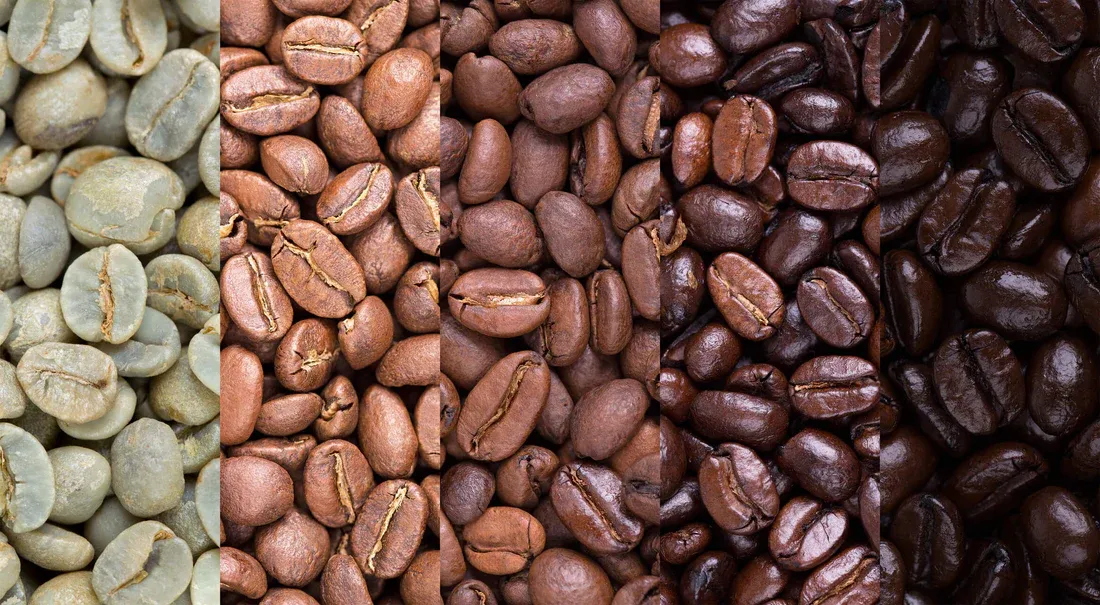
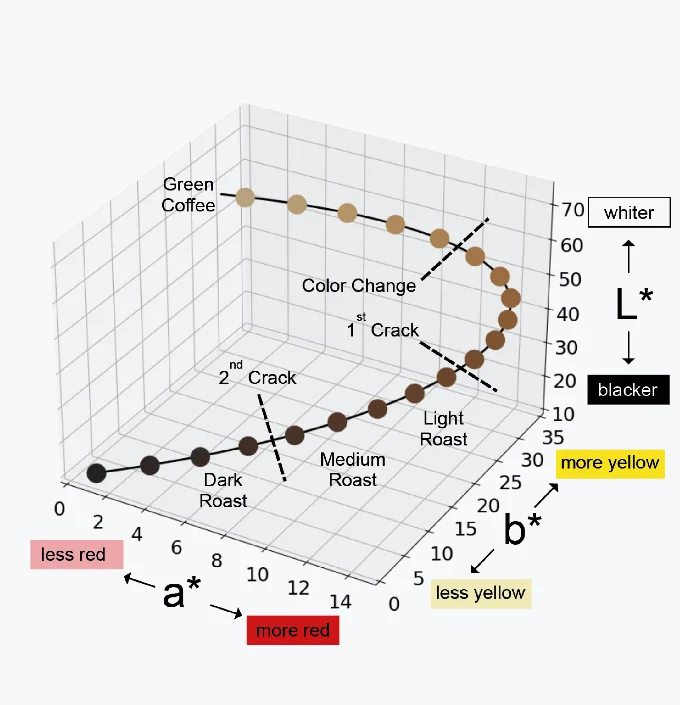
[Fig. 10] Color changes during roast, as shown in the pictures on the left, can be highly accurate roast-degree indicators (especially for trained eyes). Scientists also recently developed a “L*A*B color space curve” depicting how the color of roasted coffee changes, and the results are expected to be commercialized soon. Photo excerpted from shiren coffee website & SCA official website.
Reflective NIR spectrometry
The actual technology behind Agtron readers is something known as “Reflective (Diffuse Reflectance) NIR Spectrometry”.
In such chemical analysis methodologies, the sample (usually a solid or powder) is illuminated with NIR light, and the amount of light that is reflected back from the sample’s surface is measured.
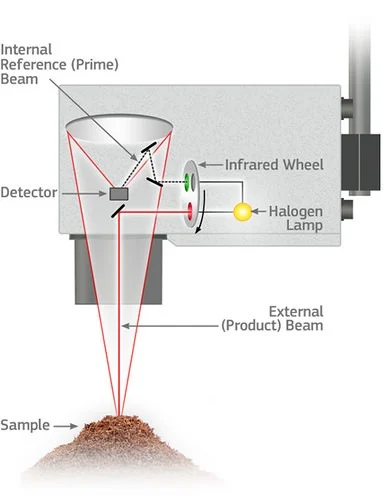
[Fig. 11] How common Reflective NIR spectrometry is designed to work. Photo excerpted from https://www.kpmanalytics.com/blog/how-do-in-process-near-infrared-measurements-work
Much of the incident light penetrates the sample to a certain depth, interacting with its molecules before being partially absorbed and then diffusely reflected out in different directions. The reflected light carries information about the chemical makeup and structure of the sample, especially in the outer layers, making this method ideal for powders, granulates, and other non-transparent substances.
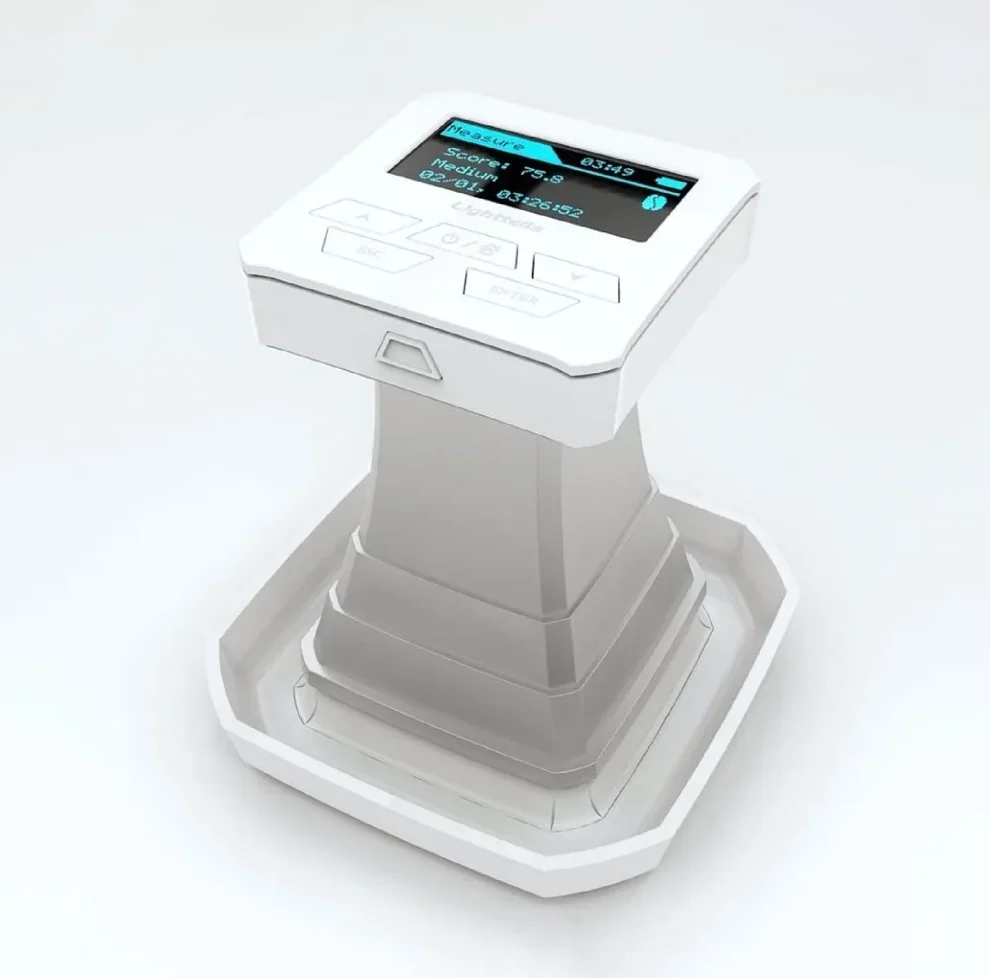
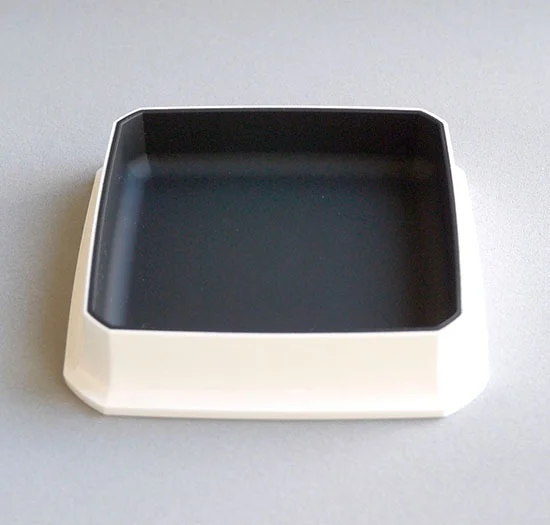
[Fig. 12] The inner side of an Agtron reader’s sample tray will most likely be a matte black finish even if the whole instrument is white. This is because the NIR radiation can penetrate under the sample’s surface, so a light-colored sample tray inner surface that is much more reflective in nature can alter the reflectance signal and make the Agtron readings less true. Photo excerpted from Lighttells official website.
The reflected spectrum information is then analyzed — often with calibration models — to determine what components are present and their concentrations. For coffee Agtron readers, since we just want to know the darkness of a certain coffee sample, the calibration models are tuned to give out a single number that represents the “level of roasting” (related to the chemical transformation of the roasted coffee beans).
And this, ladies and gentlemens, is how we acquire the Agtron reading value.
Ending Words
Agtron color measurement bridges the gap between the art and science of coffee roasting, providing a reliable foundation for consistency, quality control, and communication across the coffee industry.
Whether used in large-scale production or small specialty batches, these color readings empower roasters to better understand, replicate, and refine their craft — ultimately ensuring every cup meets its intended potential.