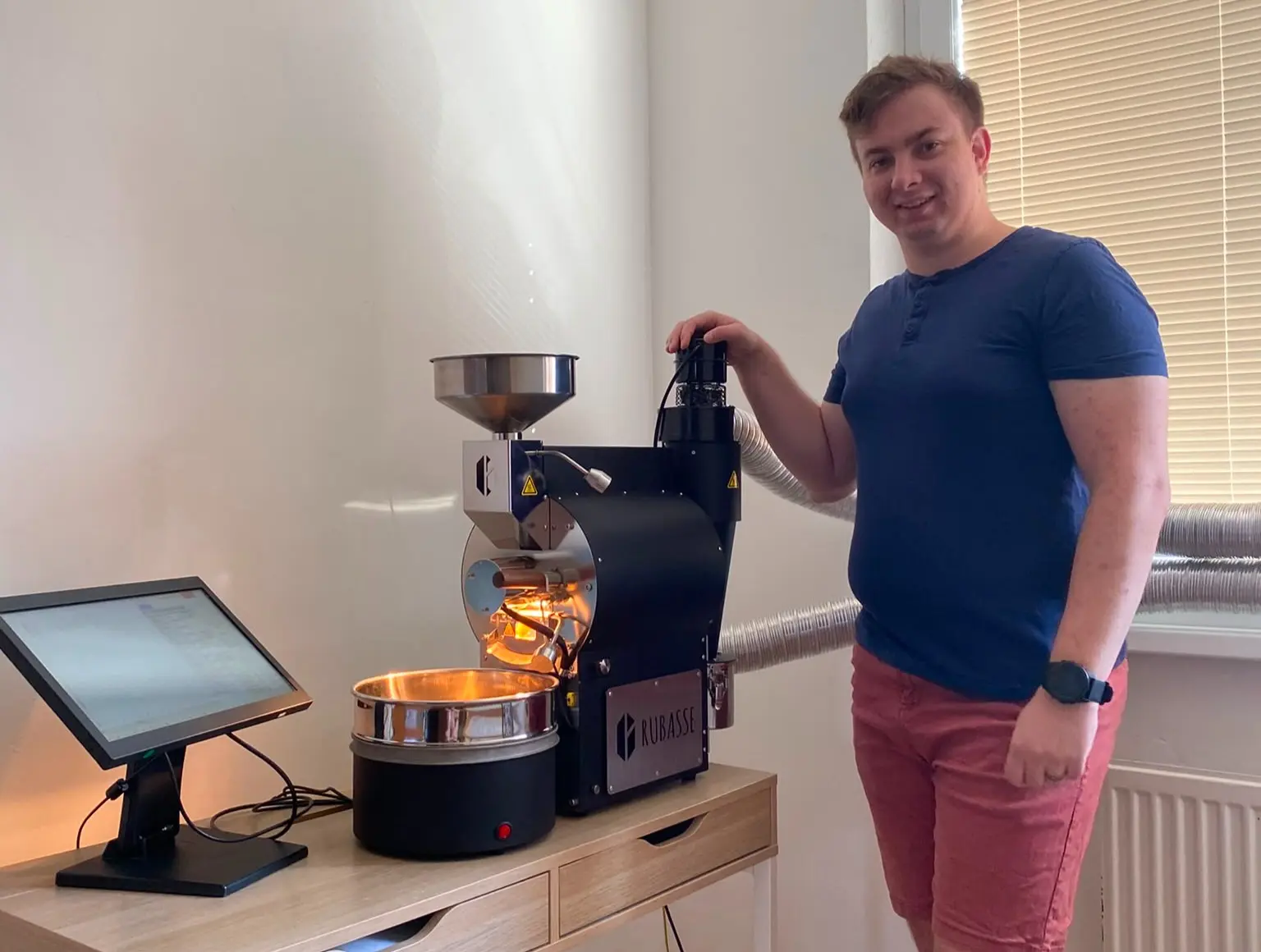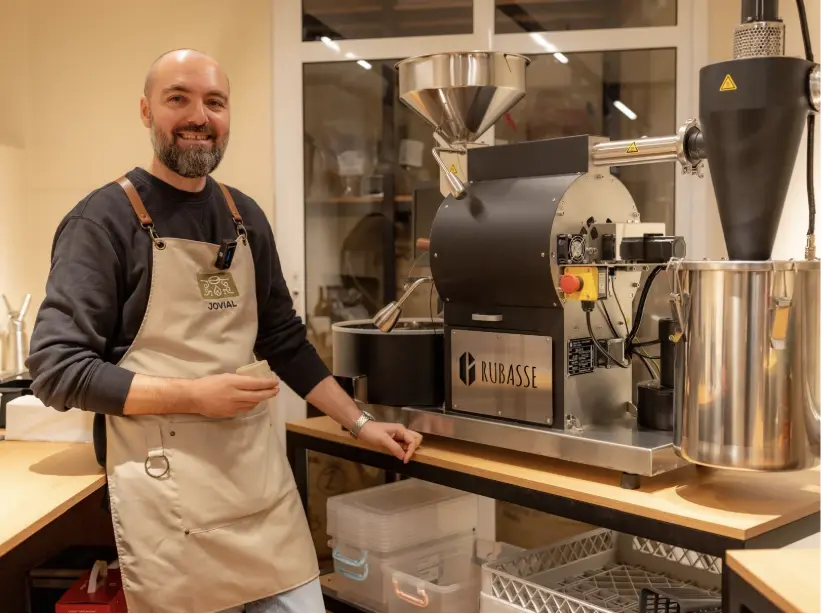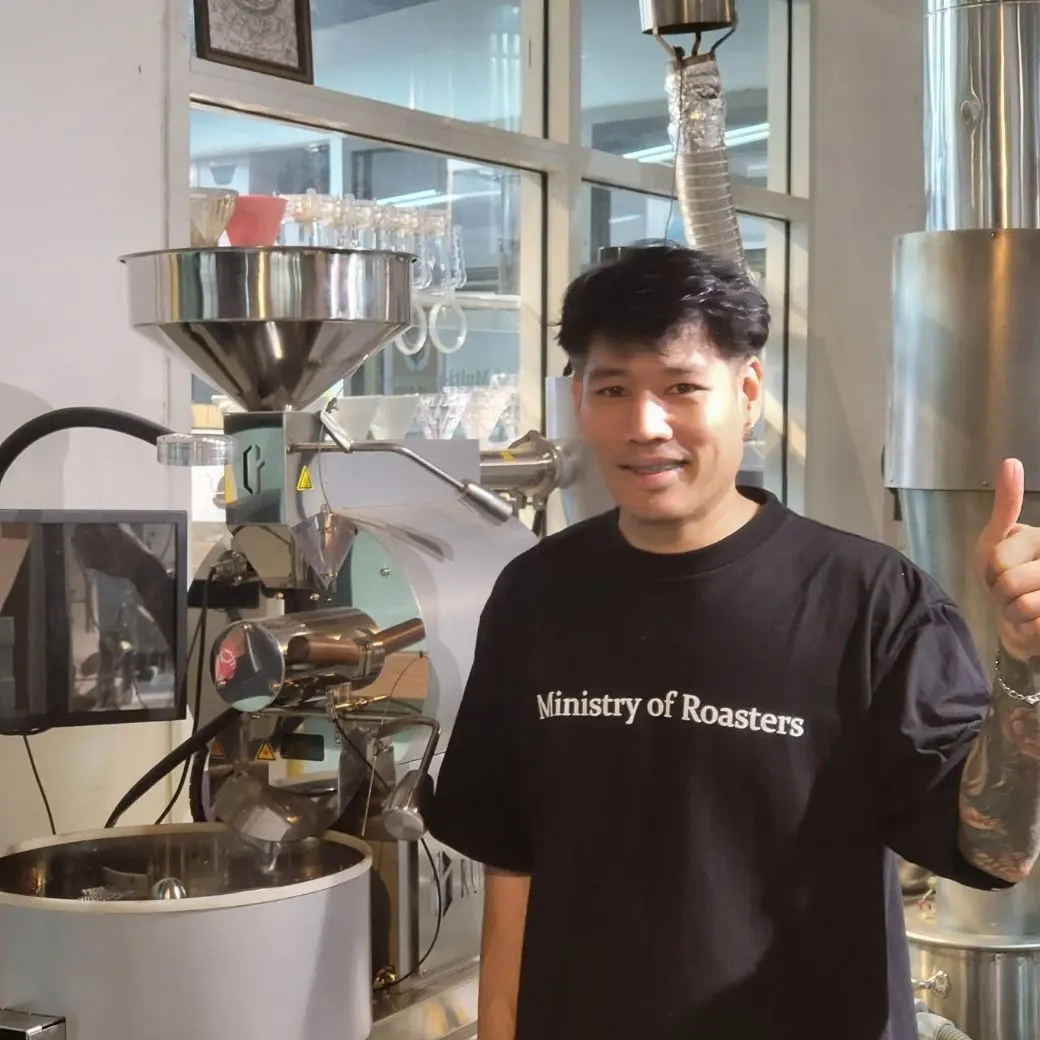
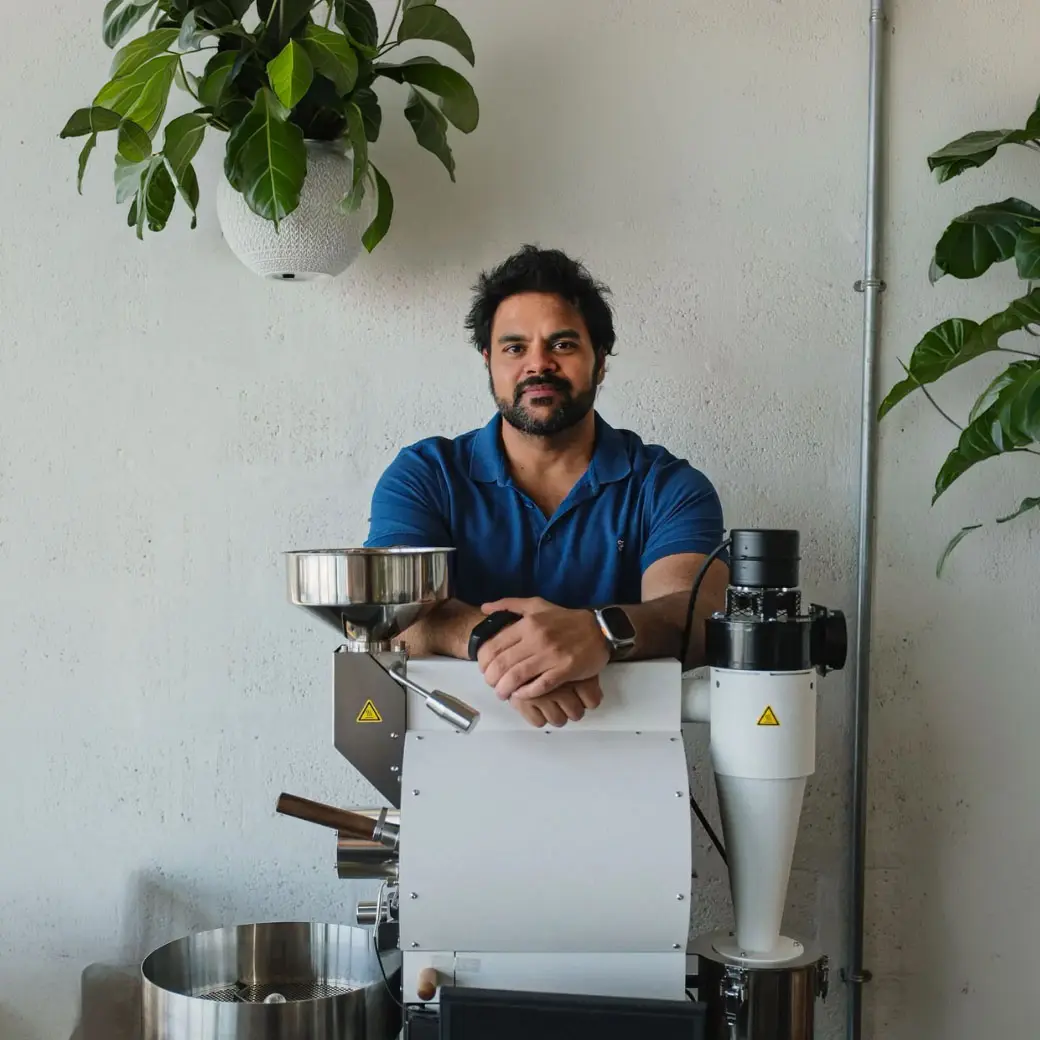
About Rubasse x Specialty Batch Coffee
At the heart of it, we are known for being quality obsessive, sometimes to an unhealthy degree. I am Ryan Godinho, founder and head roaster at Specialty Batch, a Dubai based specialty coffee roastery that has been part of the UAE coffee scene since 2013. Originally from Melbourne and now based in Dubai, I lead a team holding more than forty years of combined specialty coffee experience across roasting, equipment, training, consultancy and technical support.
Our focus is helping cafés, roasteries and hospitality groups roast, brew and serve coffee with more consistency, more intent and less guesswork, and we remain involved long after the coffee or equipment is supplied. That is where we have always sought to distinguish ourselves: not only in what we supply, but in how thoroughly we support it afterwards. The ethos has always been straightforward — work properly, work with the best, and do not pretend average is good enough.
What I Value Most About Roasting on the Rubasse
“Direct. Responsive. Honest. What you input is what the bean gets, immediately.”
The quality I appreciate most about the Rubasse is how direct and controlled the heat application feels. The near-infrared (NIR) system delivers a markedly different roasting experience compared with a conventional gas machine, or indeed with other electric machines. You are not relying on heavy drum momentum, nor waiting for the machine to catch up with your decisions. The heat transfer is fast, clean and precise, particularly through Maillard and development. You can introduce energy when you need structure, then withdraw it with genuine control before first crack.
The precision of the adjustments matters just as much: small inputs genuinely register, and they are repeatable. That shifts profiling towards deliberate, intentional roasting, with no lag, no guesswork and no thermal drift requiring compensation.
The Problems Rubasse Solved for Us
Gas drum roasters certainly have their appeal, and I respect them a great deal, but they carry genuine limitations: thermal mass, slower response time, ambient sensitivity, wasted heat, and a greater degree of manual compensation during production. The Rubasse represents a fundamentally different approach. Because the NIR system applies energy so efficiently, development can be shaped with considerably greater precision, and when power is reduced late in the roast the machine responds accordingly rather than continuing to coast on its own accumulated momentum.
The back tracking algorithm and pressure compensation are likewise valuable in production, correcting for variables such as duct resistance and ambient pressure changes — adjustments that on many conventional roasters are made manually, and at times without the operator fully recognising it. The Roast Master profile replication has proven equally impressive: batch-to-batch consistency is very strong, particularly during sustained production runs where repeatability matters as much as flavour.
The one area I would like to see developed further is interface and integration: building roast curves on a computer or web-based platform and transferring them to the machine, Cropster integration for logging and profile tracking, and built-in remote monitoring so a roaster or technician could review machine data from any location.
Why We Highly Recommend Rubasse
I would encourage any roaster to try the machine before dismissing it as another electric roaster, because it is not. The NIR technology changes the way you think about heat transfer, development and repeatability. For specialty roasting, and particularly for those running serious production volumes, the combination of rapid response, precise energy control and automation — including auto preheat, auto charge, auto drop and Roast Master replication — is entirely logical. It affords full control without requiring the operator to supervise every roast. For anyone who values consistency, flavour clarity and production efficiency, the Rubasse is unquestionably worth the time invested.