When it comes to starting (or expanding) a coffee roasting operation, one of the first and most important decisions you’ll face is selecting the right roasting machine. Beyond brand, fuel source, or tech features, *capacity*—the size of coffee batches a roaster can handle—is a foundational choice that can shape your workflow, flexibility, and business growth.
In this article, we’ll break down why roasting machines come in different capacities, look at the most common sizes available today for specialty coffee roasters, and discuss how each size plays a role in the coffee world — from R&D to production.
Finally, we’ll zoom in on the increasingly popular “3kg roaster” and explore why this capacity has become such a sweet spot in the era of specialty coffee and micro-lots (and why so many new and emerging roasting machine manufacturers are starting to focus on producing machines with this kind of capacity).
1. Coffee Roaster Machine Categories: Capacity, Price and Roaster Type
When we look at the popular names on the roasting machine market today such as Stronghold, Giesen, Probat, ROEST, Aillio…etc., we can see that the popular and/or specialty coffee focused models from these roasting manufacturers tend to fall into certain tiers of “roast capacity categories”, each widely adopted for certain roles:
- Sample Roasters (50g–200g per batch) → For quality control, sourcing, and experimentation.
- 1kg Roasters → For training, recipe development, and ultra-small-batch retail.
- 5–6kg Roasters → For small businesses ramping up production.
- 12–15kg Roasters → For roasteries with wholesale volume or multiple cafe outlets.
- 3kg Roasters → For cafes, microroasteries, and specialty projects. Current popular models under this category usually has batch size ranging from 2.5–4kg.
Each size is chosen depending on the needs of the business stage, scalability, and how much emphasis is placed on experiment vs. production.
Two roaster types dominate the tables below: a drum roaster tumbles beans inside a rotating drum, while a coffee air roaster (also called a fluid bed roaster) suspends them in a stream of hot air. Rubasse takes a third path — near-infrared radiation applied from inside the drum.
1.1. Sample Roasters — Fluid Bed Air Roasters and Small Drum Roasters (50–200g)
Often handling batches as small as 50g, sample roasters are the industry’s “test kitchens”.
They’re not about producing coffee for sale but about evaluation:
– Importers, producers, and buyers use them to cup small lots or green coffee samples that is shipped in very small quantities (50~200g bags).
– Roasters use them to trial roast profiles or learn about this new coffee on hand before scaling.
Their strength? Precision and economy. Rather than wasting kilos, they let you learn from grams.
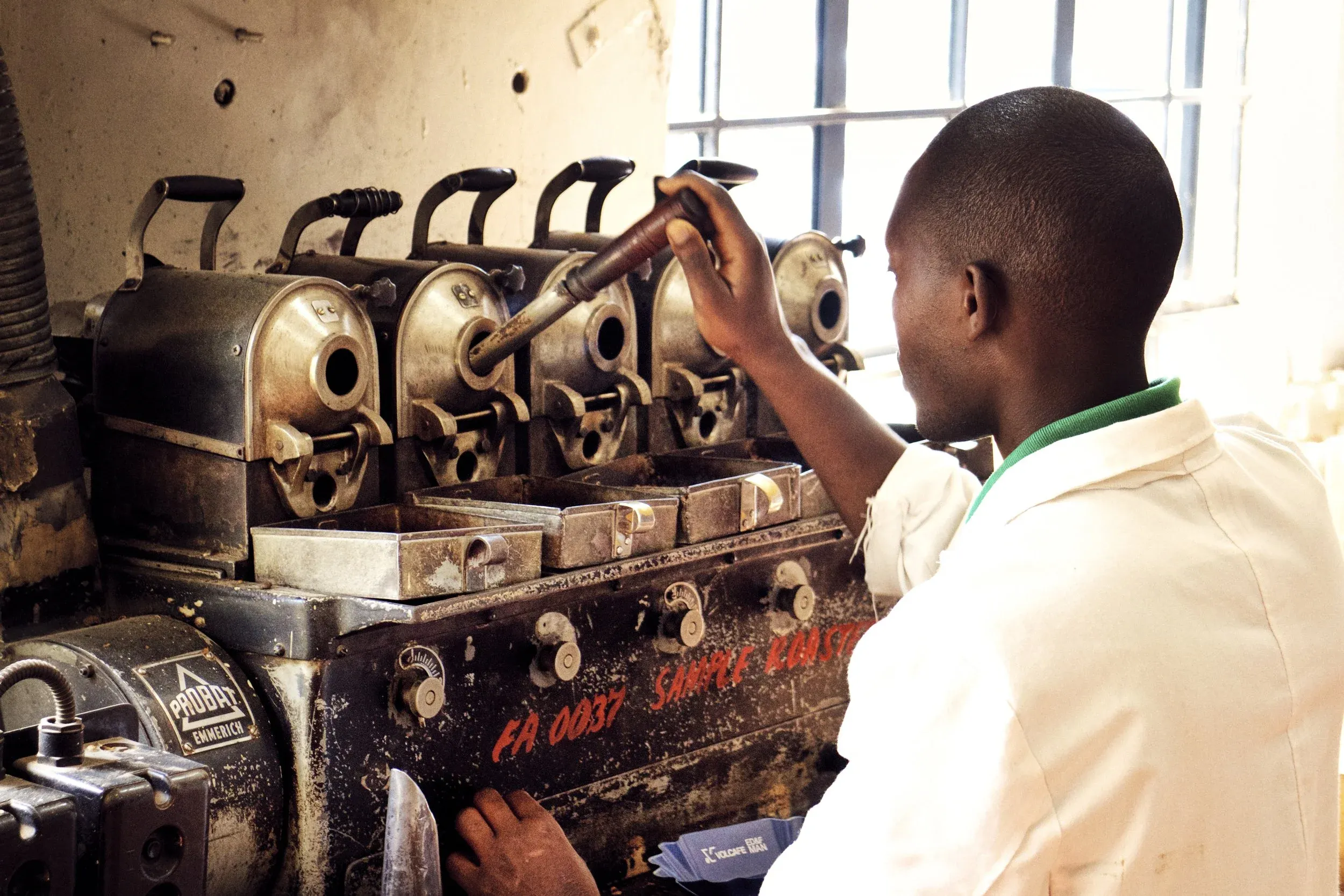
Photo excerpted from Dear Coffee Buyer by Ryan Brown.
And though some might still relate sample roasters with the classic image of the probat BRZ style roasters (which don’t really have much for roasters to control), nowadays the rise of powerfully precise sample roasters (e.g. ROEST models) and some smart and travel-friendly sample roasters (e.g. ikawa, Nucleus link) highlighted the market’s shifting needs.
Roasters now want to collect as much reliable and detailed information about the green coffee being tested as possible in order to elevate the final product’s quality, and such pursuit has resulted in the birth of these accurate and data-driven sample roasters.
| Roaster Brand & Model | Method of Heating / Roaster Type | Built-in Cyclone | Roast Capacity | Common Pricing(USD) |
| roest L100 | Electric-heated hot air stationary drum roaster | YES | 50 ~ 200g | 5500~9000 |
| ikawa 100g | Electric-heated fluid bed hot air roaster | YES | up to 120g | 4000~6700 |
| ikawa 50g | Electric-heated fluid bed hot air roaster | YES | up to 60g | 3300~5900 |
| Nucleus link 50~100g | Electric-heated fluid bed hot air roaster | NO | 50 ~ 100g | 1900~2100 |
| probat BRZ2 (double drum) | Gas-heated or electric-heated drum sample roaster | NO | 80 ~ 100g (per drum) | 9000~18000 |
Additional reading: If you specifically want to learn more about sample roasters and even see some actual hands-on experience sharing, here is a phenomenal writing about this topic done by the coffee guru Christopher Feran.
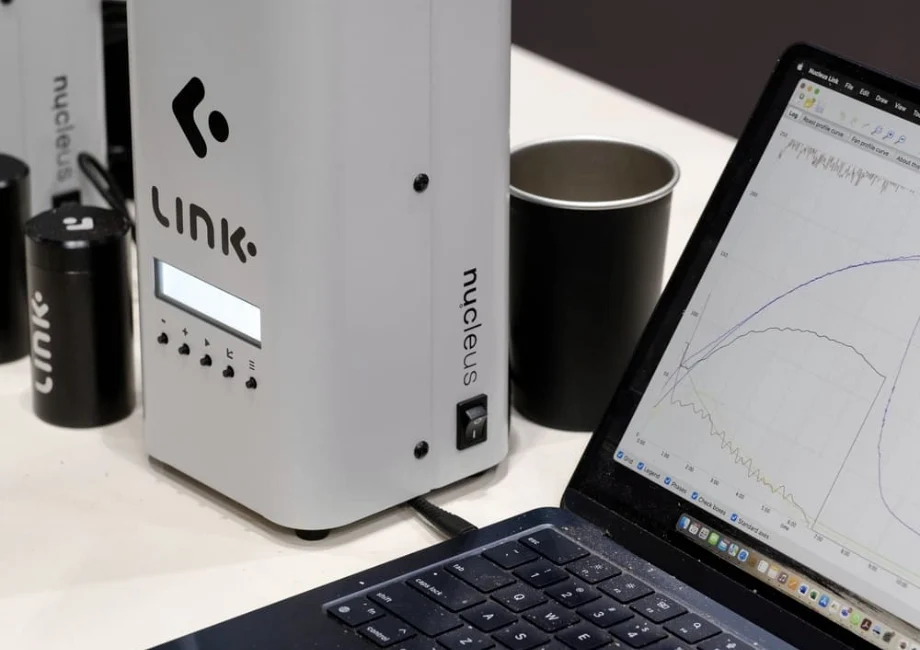
Photo excerpted from Roast Rebels website.
1.2. 1kg Coffee Roaster Machines — Electric and Gas Drum Roasters
The 1kg roaster is often described as the “apprenticeship roaster”.
– Perfect for recipe development, roast training, and tiny commercial runs.
– Favored by micro-roasters or home-business cafes exploring roasting.
The biggest and most obvious down side, on the other hand, is that the limited output (roughly 4–5kg per hour max) means they are not a sustainable choice for businesses needing steady (or increasing) supply. Think of them as “step-one professional machines”. In this sense, when searching for a 1kg roasting machine, many will put the “resell value” of a machine near the top of their priority list.
However, changes in the traditional coffee roasting workflow might alter your opinion regarding the “production efficiency” of a 1kg coffee roaster.
Take the popular Aillio Bullet R1 roaster as an example.
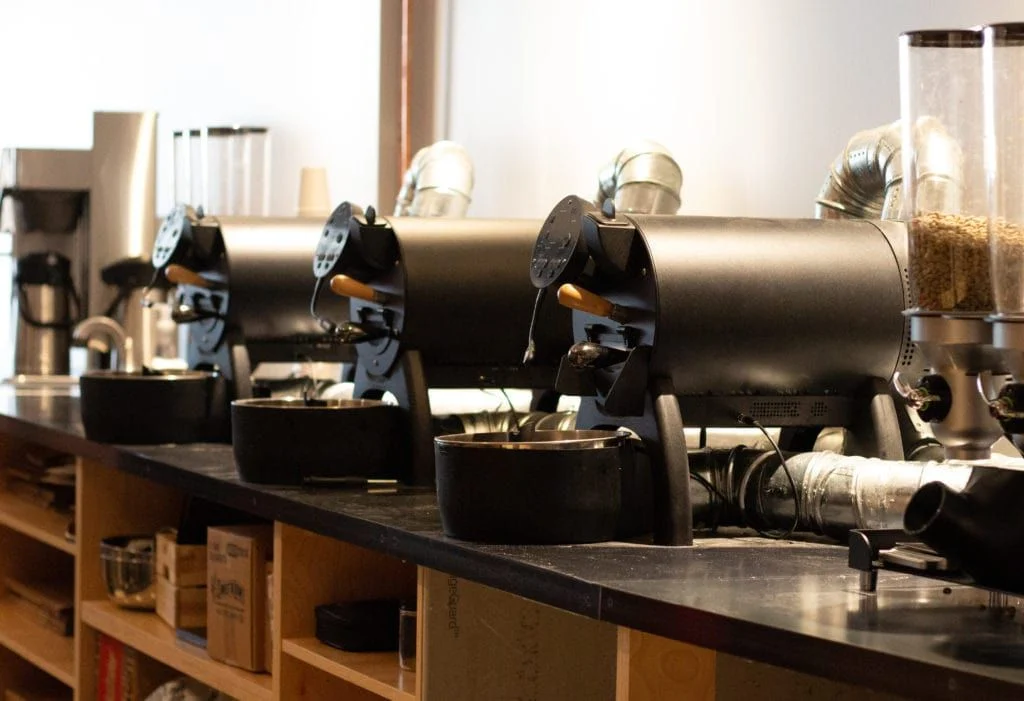
Photo excerpted from Aillio website.
Some Cafes started out roasting on one single Aillio Bullet R1, and as demand grew, instead of switching to larger roasting machines, they simply buy another (or even several other) Bullet R1(s) to accommodate for the growing roast capacity needs.
Key points that make this idea viable are “sharable roast profiles across different machines of the same model” and “ease of roasting (hence one roast master can look after several machines at the same time)”.
Although the lack of a better silver skin collection system makes the process a bit more difficult than necessary, the idea of:
- Not having to redesign profiles from ground zero on a new machine
- Having some production “redundancy” in case of an unfortunate roasting machine breakdown
- Lower error costs per roast
actually made this concept more and more acceptable by the upcoming, roast-quality focused roasters (more on this topic in the “Parallel Production” section of this article).
Additional information: As a fun fact, the popular Loring roasting machine also once put out test roasters having capacity around 1kg (although the machine never made it to true production, and as far as we know, only 3 of these roasters are currently in use; you can see the machine in action in the video below).
| Roaster Brand & Model | Method of Heating / Roaster Type | Built-in Cyclone | Roast Capacity | Common Pricing(USD) |
| Bullet R1 | Induction drum heating electric drum roaster | NO | 100 ~ 1000g | 2700~3000 |
| probat P01e | Electric-heated hot air driven drum roaster | YES | 800 ~ 1200g | 33000~36000 |
| 1kg Single-wall drum roaster(various local brands) | Gas-heated drum roaster | YES | 120 ~ 1000g | 5000~8500 (new) |
| stronghold S7x (150~850g) | Electric-heated hot air & halogen heating vertical drum roaster | YES | 150 ~ 850g | 22000~23000 |
| rubasse hyper 1.2kg | Near Infrared center-placed heating electric roaster | YES | 300 ~ 1200g | |
| Loring L1 1kg | Gas heated recirculation airflow design stationary drum roaster | YES | not for sale. As far as we know, there is only 3 of this machine released. |
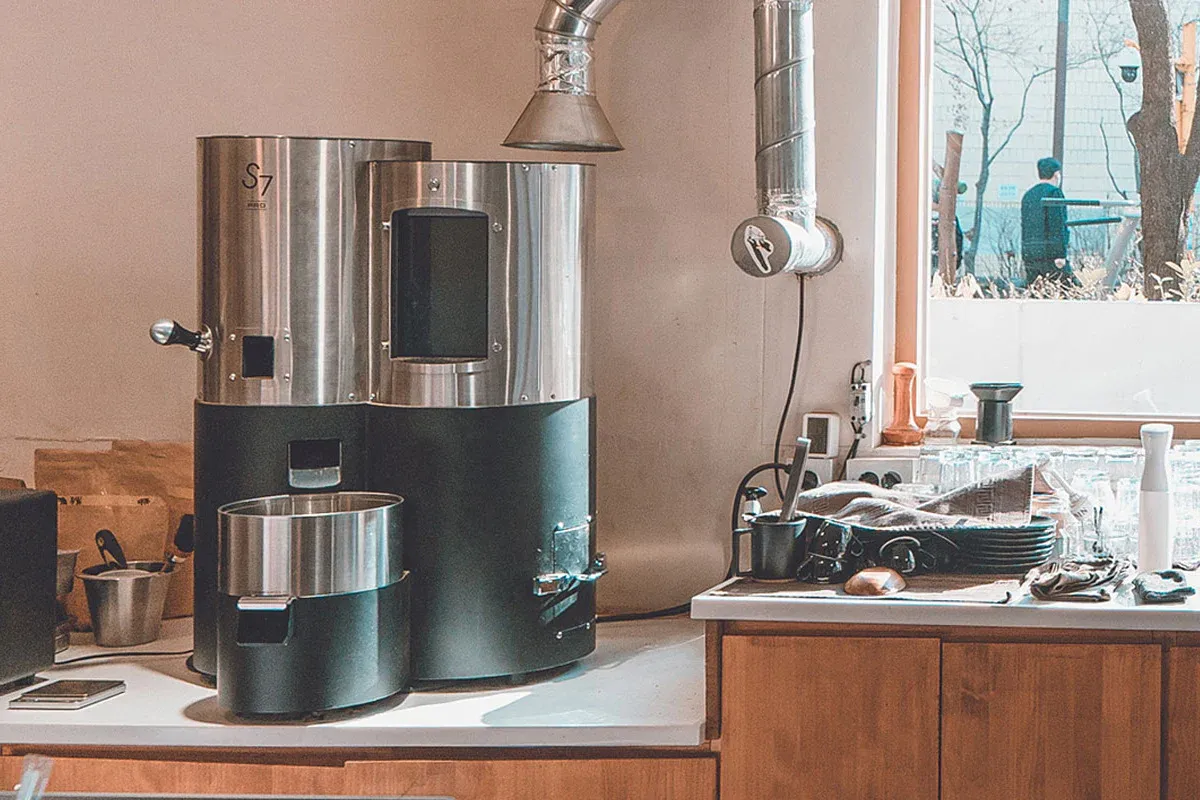
Photo excerpted from Coffai website.
1.3. 5–6kg Drum Roasters for Growing Roasteries
This size is often the launch pad for small businesses supplying one or two cafes, with the ability to roast around 20–25kg per hour.
– They offer a balance of flexibility and production efficiency.
– Enough capacity to support small wholesale or a thriving in-house roasting program.
The main challenge? Once demand grows, the batch size ceiling can become restrictive, pushing a roaster toward 12–15kg or larger capacities.
Interestingly, manufacturers themselves have recognized how critical this range is for specialty coffee businesses.
Loring, for example, first built its reputation on larger-capacity roasters (15kg, 35kg and beyond), but responded to market shifts by launching the S7 Nighthawk 7kg model in 2018. This compact roaster was specifically designed for artisan and specialty-focused operations. They even experimented with a 1kg prototype, though it never reached commercial release—highlighting how delicate the balance is between small batch flexibility and production practicality.
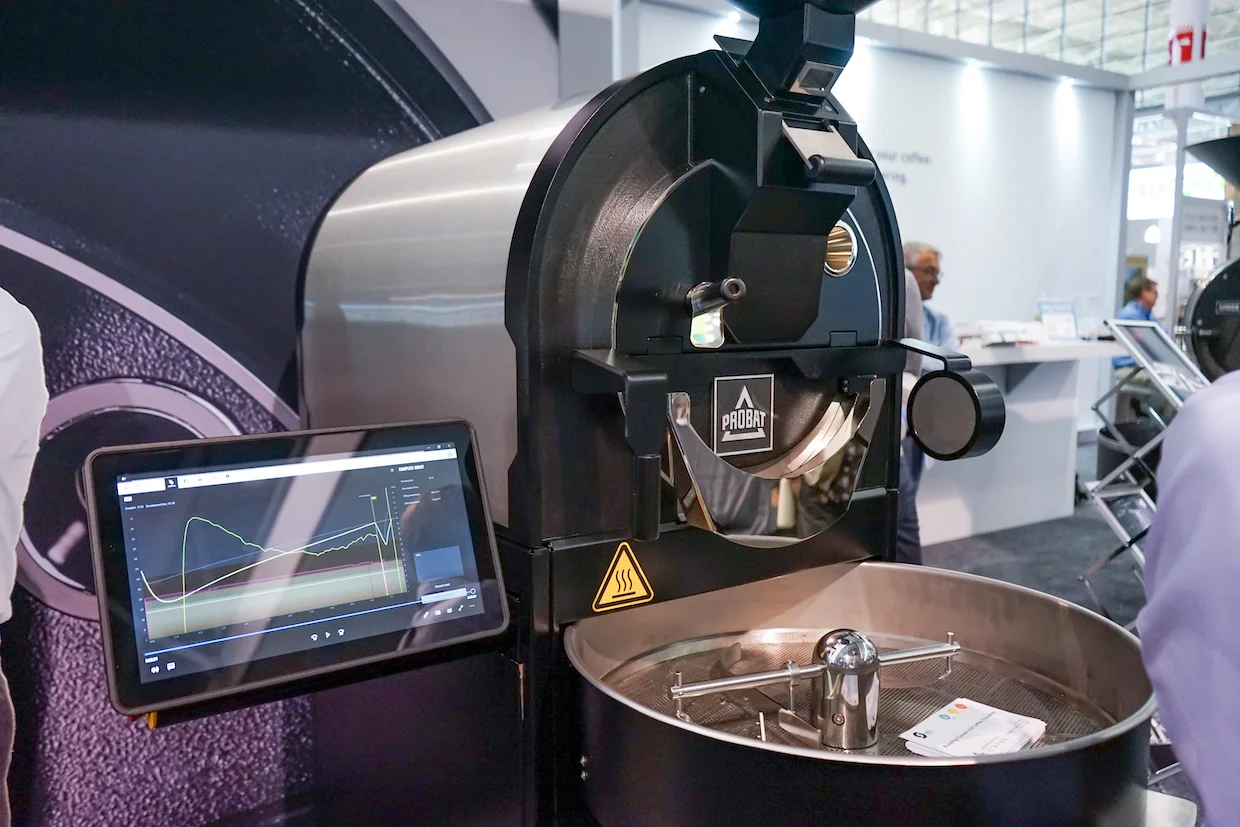
Photo excerpted from DailyCoffeeNews website.
Similarly, Probat has consistently invested in refining its 5kg roaster, the P05, introducing the latest gas and electric models (P05 III and P05 E) in September 2020 and into the US market in 2022. These upgraded versions are equipped with advanced automation and software features, further underscoring the popularity and importance of the 5–6kg size among professionals worldwide. For many roasters, it’s the sweet spot where craft meets commercial viability.
| Roaster Brand & Model | Method of Heating / Roaster Type | Built-in Cyclone | Roast Capacity | Common Pricing(USD) |
| loring S7 | Gas heated recirculation airflow design stationary drum roaster | YES | 1.4 ~ 7kg | 50000~90000 |
| probat P series (05 | Gas heated drum roaster | YES | 1 ~ 6kg | 35000~45000 |
| probat P05e | Electric-heated hot air driven drum roaster | YES | 1 ~ 6kg | 34000~35000 |
| giesen W6a (gas) | Gas heated drum roaster | YES | 500g ~ 6kg | 42000~46000 |
| giesen W6e (gas) | Electric-heated hot air driven drum roaster | YES | 500g ~ 6kg | 44000~49000 |
| stronghold S9x (3~8kg) | Electric-heated hot air & halogen heating vertical drum roaster | YES | 3 ~ 8kg | 61000~63000 |
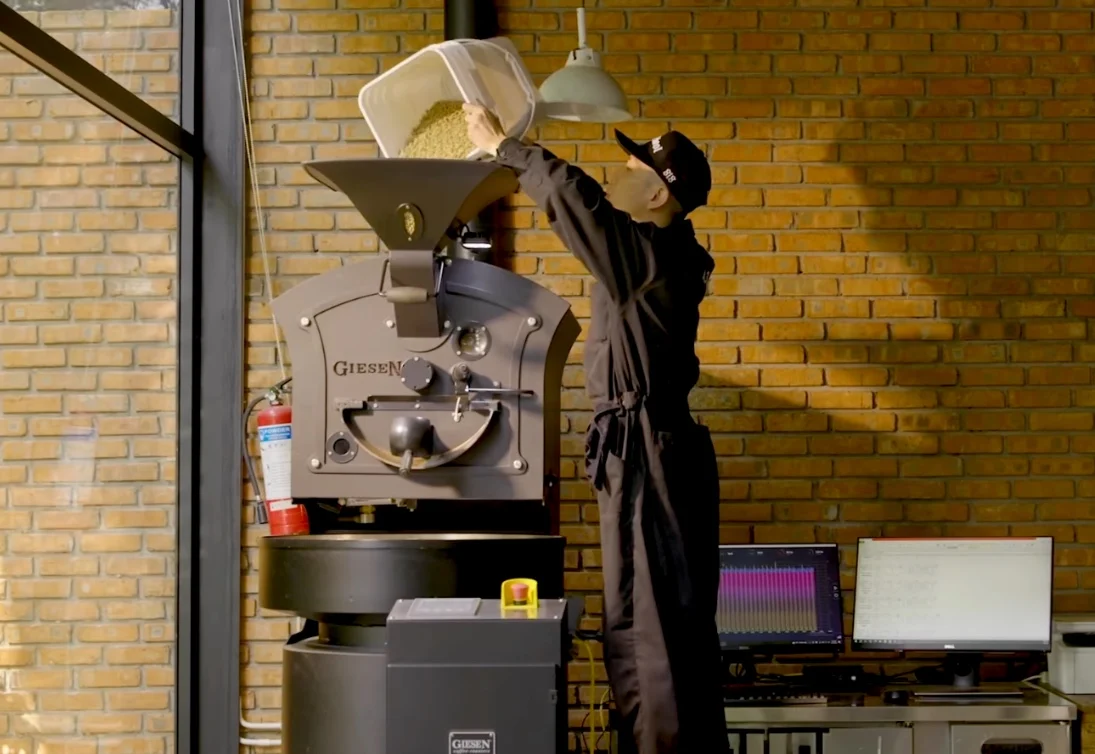
Photo excerpted from XLIII’s Instagram post.
1.4. 12–15kg Production Drum Roasters
This range is historically the “backbone” machine for established roasteries.
One batch produces enough for a busy cafe in a day, and with consistent output, wholesale accounts can be serviced smoothly.
– Ideal for roasteries with multiple cafes or growing wholesale.
– Encourages efficiency, as roasting sessions can be consolidated into fewer, larger batches.
The downside:
Large batches bring less flexibility. Small trial runs become impractical—you simply can’t dedicate 12kg of green beans to experiment.
| Roaster Brand & Model | Method of Heating / Roaster Type | Built-in Cyclone | Roast Capacity | Common Pricing(USD) |
| probat P series (12 | Gas heated drum roaster | YES | 1 ~ 15kg | 45000~49000 |
| loring S15 | Gas heated recirculation airflow design stationary drum roaster | YES | 3 ~ 15kg | 75000~130000 |
| giesen W15a (gas) | Gas heated drum roaster | YES | 3 ~ 15kg | 60000~62000 |
| IMF RM15 | Gas heated recirculation airflow design drum roaster | YES | 5 ~ 15kg | 87000~90000 |
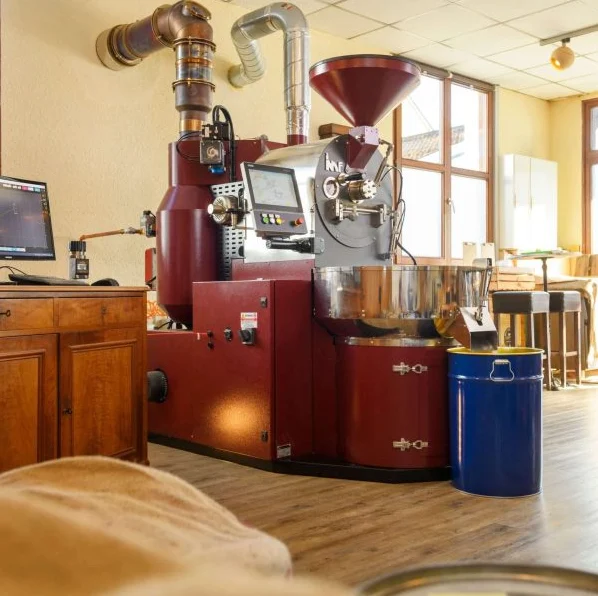
Photo excerpted from IMF website.
1.5. 3kg Coffee Roaster Machines – Smaller Batch Size, Better Results?
The shift toward specialty coffee has made flexibility, story, and freshness far more important than sheer volume. No longer is it enough to only roast in bulk. Instead, modern roasteries need machines that help them deliver micro-lots, control quality, and stay agile.
- Micro-lots Need Micro-batches: When green coffee comes in limited seasonal lots, roasting in 12–15kg batches is wasteful. A 3kg roaster lets roasteries divide precious beans among more diverse offerings and more customers.
- Quality and Precision: Smaller batch sizes mean tighter control over each roast curve, and more consistency. Modern machines bring new tools for tracking temperature, airflow, and bean color, helping coffee professionals get the most out of every batch.
- Agility in Offerings: With a 3kg setup, roasters can constantly experiment and offer new coffees—rotating specials, responding to customer tastes, and maintaining freshness without sitting on unused stock.
- Sustainability: Most new 3kg machines run fully electric, minimizing emissions and allowing installation in tighter spaces without complex venting.
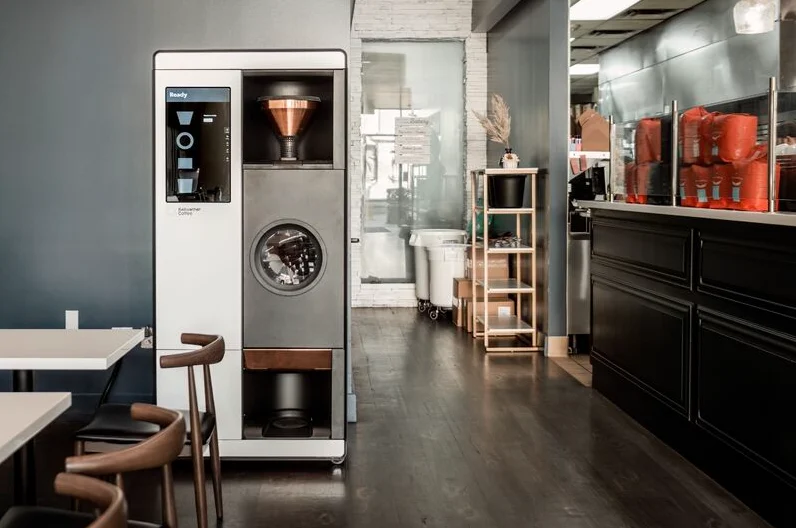
Photo excerpted from bellwether’s Linkedin page.
Why Has 3kg Become the Sweet Spot?
Recently, several leading manufacturers have focused their innovation on the 3kg category—a clear sign this capacity is strategic, not a compromise:
ROEST P3000:
Launched for pre-orders in March 2025, this high-tech Norwegian roaster uses AI, multi-sensor automation, and an internal camera to ensure precision and repeatability in every batch. The P3000 aims at businesses ready to scale specialty roasting with control, vision, and workflow efficiency.
Bellwether:
The 3kg fully electric, ventless Bellwether is a turn-key solution built for modern cafes. It roasts small 6 lb batches (2.7kg), requires no experience, and prioritizes sustainability—allowing businesses to roast up to 144 lbs (65kg) in an eight-hour shift. Bellwether’s cloud-connected controls and marketplace make high-quality roasting accessible and environmentally friendly.
Diedrich DR3:
Updated from the IR2.5, the DR3 is designed to roast 1–3kg per batch with upgraded digital controls, external chaff cyclone, and improved energy efficiency. Launched with the DR3-E electric variant in 2024, this model reflects Diedrich’s commitment to precision and reliability for small-batch specialty roasting.
Stronghold S8X:
Released in mid-2025, South Korea’s Stronghold S8X (capacity: 4.5kg) fills the gap for growing specialty roasters. Compact, fully electric, and equipped with industry-leading control software, it bridges the need for more output without the overhead or complexity of industrial-size machines. A vertical design and innovative halogen heating doubles down on efficiency, ease, and versatility—all crucial for scale-up specialty cafés.
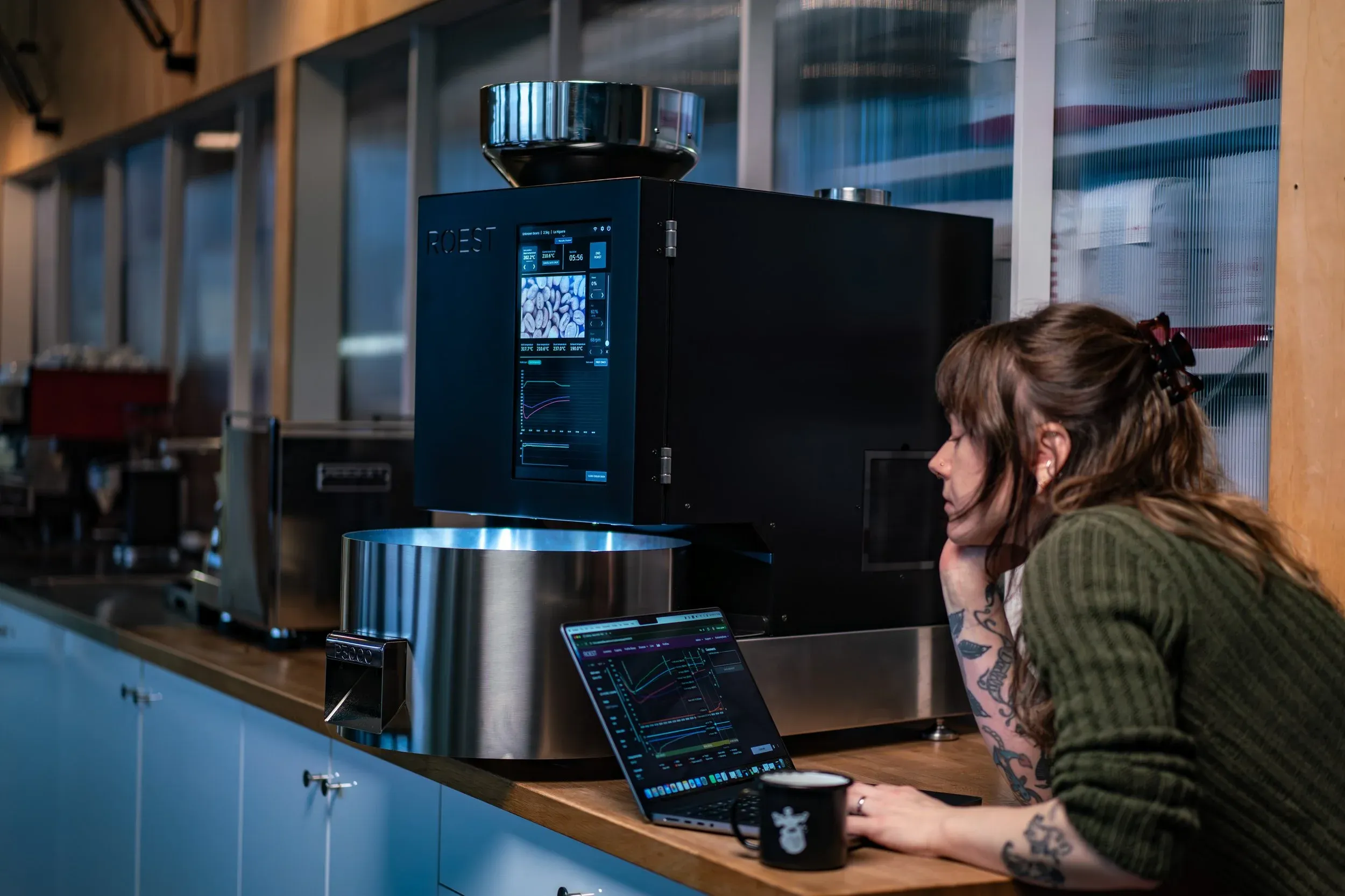
Photo excerpted from ROEST’s website.
The Modern Roaster’s Strategic Tool
These new-generation 3kg roasters are revolutionizing what’s possible for quality-driven operators. For small businesses ready to move beyond sample roasting—but not yet needing industrial volumes—the 3kg machine delivers:
- Professional Output: Up to 10–12 batches per session, yielding 25–30kg/day—enough for most cafes and direct-to-customer operations.
- Market Responsiveness: Roast and release micro-lots, engage curious and quality-obsessed coffee drinkers, and keep inventory fresh.
In summary, the 3kg roaster has truly become the new benchmark for specialty coffee businesses. With advanced automation, sustainability features, and flexibility, it empowers cafés and roasteries to thrive in an era where quality and agility reign supreme.
| Roaster Brand & Model | Method of Heating / Roaster Type | Built-in Cyclone | Roast Capacity | Common Pricing(USD) |
| roest p3000 | Electric-heated hot air stationary drum roaster | YES | 1 ~ 3kg | 32000~36000 |
| Bellwether 3kg | Electric-heated hot air driven drum roaster | YES | up to 3kg | 68000~70000 |
| rubasse micro 3kg | Near Infrared center-placed heating electric roaster | YES | 300g ~ 3kg | |
| Diedrich 3kg gas | Gas heated drum roaster | YES | 1 ~ 3kg | 23250~25000 |
| Diedrich 3kg electric | Electric-heated hot air driven drum roaster | YES | 1 ~ 3kg | |
| Stronghold S8x | Electric-heated hot air & halogen heating vertical drum roaster | YES | 1.5 ~ 4.5kg | 38000~40000 |
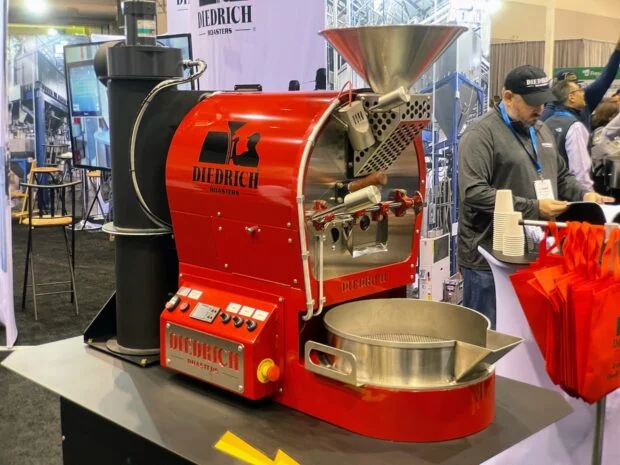
Photo excerpted from Daily Coffee News.
2. Parallel Production – Revolutionizing Specialty Coffee Roasting
A real-world example:
Swapping out one 8kg roaster for two 3kg ones?? – Sounds odd, but that’s what one of our customers recently decided to do.
The reason behind this is the adoption of the idea which we termed “parallel production”.
⠀
The Pros
● System redundancy: Production won’t be fully halted when one machine malfunctions/needs maintenance
● Costs less per error: Smaller batch size, less cost for trial & error
● Increased freedom: Introducing more flexibility for roast production scheduling & roast-on-demand options/possibilities
● Increased Product variety: Smaller batch size per roast hence easier to offer a larger range of different roasted products
⠀
The Cons
● Potentially higher man-power costs: Can be solved with Automation
● Potentially higher energy costs: Can be solved with machines compatible with renewable energy sources and/or machines that’s highly energy efficient
⠀
■ Some more food for thoughts:
⠀
The parallel production concept paired with reliable auto-profile roasting might also open up a new mode of specialty coffee production.
⠀
For example, between the two machines, the business owner can specialize one for “african coffees” and focus the other for “central americans”, or one for “espresso blends” and another for more delicate “filter roasts”…etc.
⠀
The true beauty lies in the increased flexibility for production scheduling, lower inventory pile-ups, and easier stock management.
Wrapping Up: The Future of Coffee Roaster Selection
Choosing the right roasting machine is no longer just about scaling up—it’s about finding the capacity and features that match your vision for quality, flexibility, and growth.
As 2025 sees specialty coffee and micro-lots redefine market expectations, roasters in the 1–6kg and especially the 3kg range stand out as the tools of choice for ambitious, quality-driven businesses.
Today’s best-in-class roasters—whether sample-size, 1kg workhorses, 5–6kg business builders, 12–15kg industrial backbones, or nimble 3kg trendsetters—reflect a new era: one that prioritizes control, consistency, sustainability, and agility above all.
Whether setting up a one-café roasting program or planning to supply a growing specialty audience, investing in thoughtful capacity and parallel production paves the way for better coffee, happier customers, and a more resilient business.
With the right batch size and roasting technology, every origin, every story, and every cup can shine — so the question is not how much you roast, but how well you roast for your goals.