
new

User Sharing 14 1

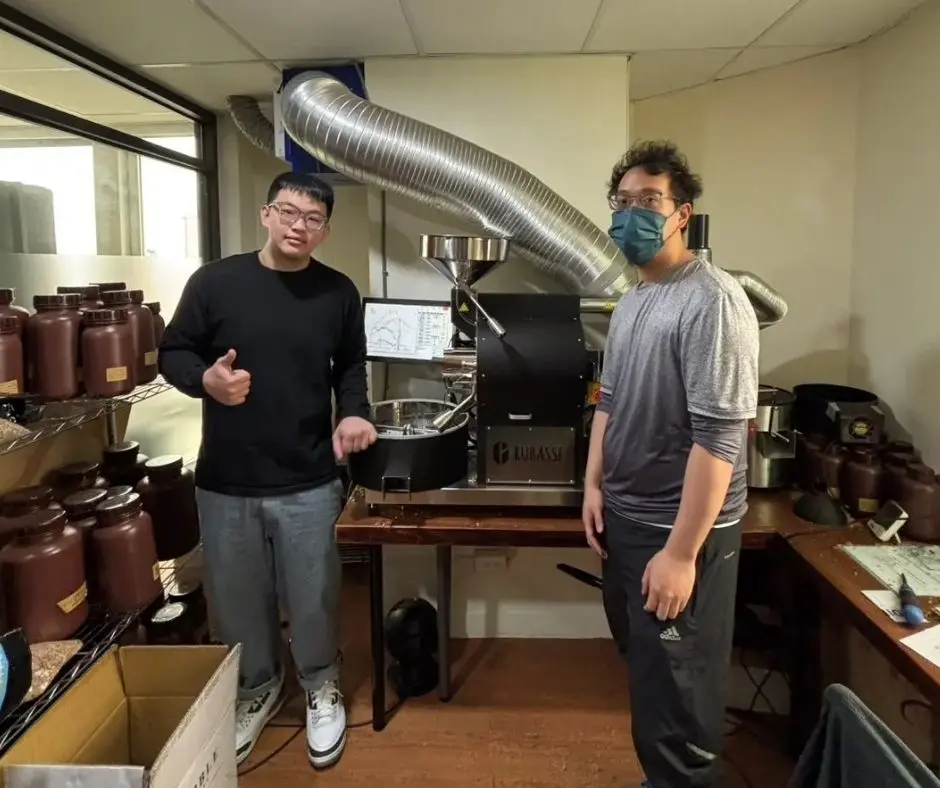
Bargain Cafe

About Bargain Cafe  The founder behind Bargain Cafe—a brand with a stellar online reputation—was once a state-owned enterprise employee under the Ministry of Economic Affairs. Having passed civil service exams six different times, he ultimately found public sector life uninspiring. Driven by an undeniable passion for coffee, he decided to leave his secure government job to pursue entrepreneurship.Since 2019, he began selling his own roasted beans online. The coffee quickly gained an enthusiastic following for beautifully preserving its inherent floral,…

Read MoreBargain Cafe
Users Sharing 7

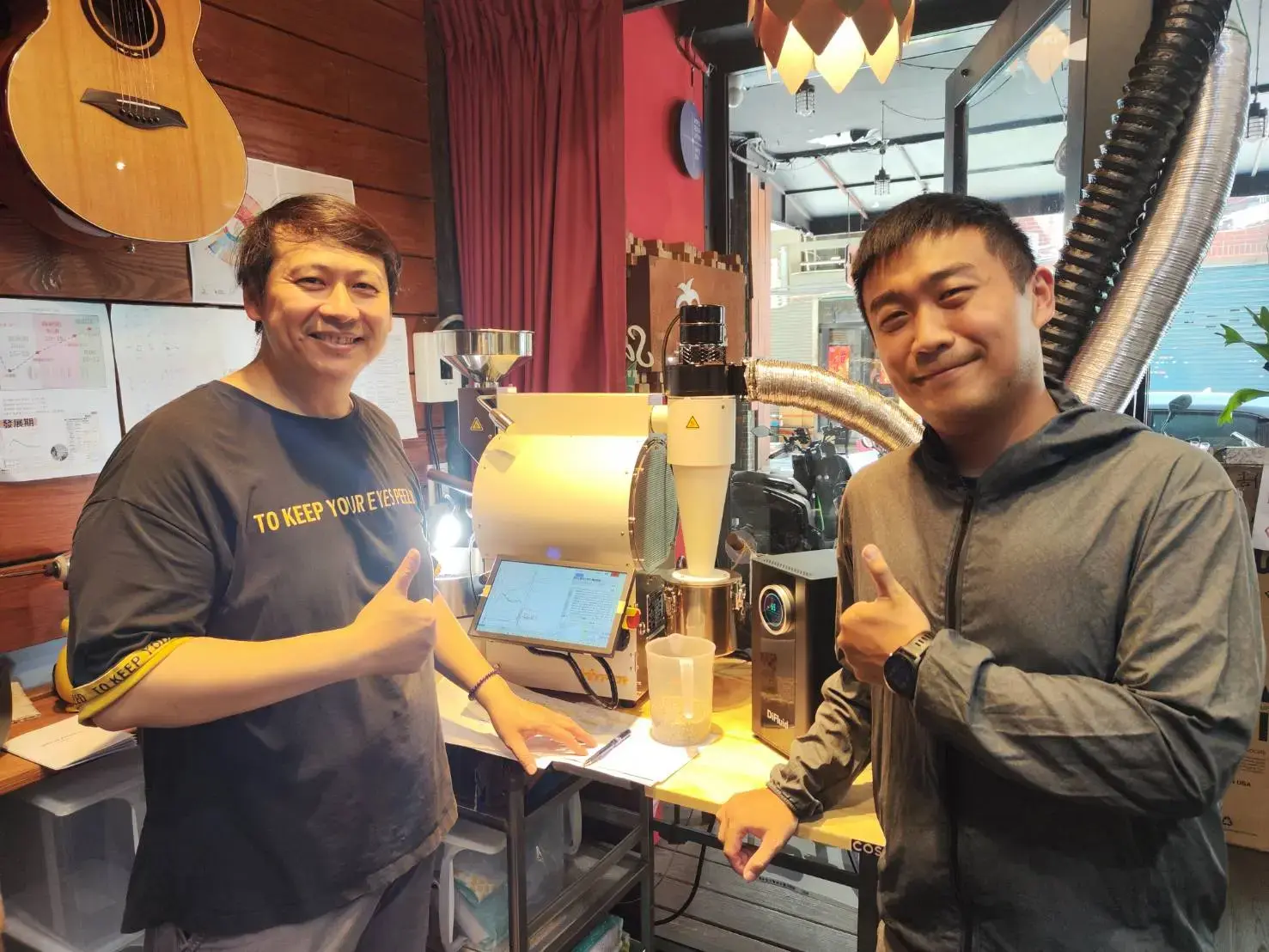
Hey!Brown, Taipei — Brian

Customer Interview We visited Hey!Brown, a specialty coffee shop located in the Zhongshan District. The owner, Brian, is a master roaster with 14 years of experience under his belt. Having navigated the coffee industry for decades—weathering SARS, the global financial crisis, and the pandemic—he remains remarkably composed behind the bar. Notably, his coffee has earned a prestigious score of 93 points from Coffee Review. Curious about his secrets to success, our correspondent prepared a few questions, and Brian was more…

Read MoreHey!Brown, Taipei — Brian
Users Sharing 6 Sm

Buon Caffe|步昂咖啡

About Buon Caffe In August 2018, Buon Caffe began selling specialty coffee through its e-commerce platform. Over the past seven years, the brand has built a powerful reputation centered on “freshness,” becoming a leading e-commerce brand for specialty coffee in Taiwan. The company is officially registered as “Smart Bean Technology.” The name “Smart Bean” (Zhìdòu) is a homophone for “Automatic” in Mandarin; it represents the brand’s mission to utilize Automation and intelligent roasting technology to provide consumers with specialty coffee…

Read MoreBuon Caffe|步昂咖啡
Users Sharing 5

Tianjin, China — Oda Roasters

About Oda Roasters In 2021, Allen (Hsieh Yuan-lun), a native of Tianwei, Changhua, established “Oda Roasters” in Tianjin, China. Recognizing the superior performance and after-sales support of “Made in Taiwan” equipment, he chose Rubasse as his entrepreneurial partner. Oda Roasters is dedicated to promoting Taiwanese coffee culture. By leveraging their In-House Roasting  and the unique flavor profiles of Alishan coffee, they have built a strong local reputation and a loyal customer base since their founding. Motivation for Purchasing a Rubasse…

Read MoreTianjin, China — Oda Roasters
User Sharing 4 2

Damu Coffee Studio, Taichung – Owner Wu

Motivation for Purchasing a Rubasse In the past, I used a 1kg home Electric Heating roaster. Over long-term use, I found that its resistive heating elements didn’t provide a linear temperature rise. I constantly had to anticipate and pre-adjust Heat Power, which required a lot of guesswork and experience. After discovering Rubasse—which is also an electric system but uses Near-Infrared (NIR) as its heat source—I truly realized what ‘data-driven linear heat control’ means. Changes in heat power are reflected instantly…

Read MoreDamu Coffee Studio, Taichung – Owner Wu
Chatgpt Image 2026年5月26日 上午10 24 51 1

Challenging the Stereotype of Bitter, Burnt Dark Roasts – Dark Roast Expert: Lin-san Coffee

Lin-san formerly operated “Tree Man Coffee,” a cafe in Tamsui, New Taipei City. Three years ago, the surge of the COVID-19 pandemic prompted him to rethink his business model. This led to his transformation into a dedicated roasting factory located in Zhonghe, focusing on high-quality dark roast experiences sold through his own e-commerce platform. With over ten years of experience, Lin-san chose estate-grade specialty beans for his dark roasts, shattering the current market perception of specialty coffee. His revenue has…

Read MoreChallenging the Stereotype of Bitter, Burnt Dark Roasts – Dark Roast Expert: Lin-san Coffee
1

Music Island Taipei, Founder: Scott

My first encounter with Rubasse dates back to 2017. An advertisement for a Near-Infrared (NIR) Roaster flashed across Facebook with an avant-garde, high-tech glow, as if prophesying the future of coffee roasting. As my palate became increasingly demanding and the beans I purchased never quite hit the mark, my ‘inner roaster soul’ began to stir like a dormant volcano. I scoured data on international giants like P, G, D, L, F… and while these ‘titans of the roasting world’ had…

Read MoreMusic Island Taipei, Founder: Scott
【官網】wordpress Bannerpcphone 3

Commercial Coffee Roaster Buying Guide 2026: 10 Things to Know Before You Buy

Specialty coffee roasting is entering an era of intelligence. This professional guide is designed to help you avoid costly investment pitfalls. Gain insights into the latest roasting technologies and capacity architectures to master balancing flavor consistency with production efficiency in a diverse specialty coffee market.  If your roasting facility is facing the following challenges, this guide is essential: These issues often arise not from a lack of skill, but because your equipment architecture can no longer support the “small batches,…

Read MoreCommercial Coffee Roaster Buying Guide 2026: 10 Things to Know Before You Buy
Zh Blog 6

壓差計 你所使用的烘豆機風門夠精準嗎?

什麼是壓差計 用來測量兩個端點的壓力差稱之為差壓壓力計,如果把端點裝設在鍋爐內部與烘豆機外部,即可量測烘豆機鍋爐內與外界的壓力差,單位為Pa。 可以簡單分為機械式壓差計與數位壓差計,機械式壓差計(如附圖) 以指針對應刻度來判斷即時的壓力差;數位壓差計,即為利用電子數位顯示即時的壓力差,以小數點為單位,能更精準的顯示壓力差,還能使用電腦紀錄下壓差的變化。 圖1:把壓差的兩個端點放置在鍋爐內部與外界,藍色箭頭為排氣方向,會使鍋爐內產生負壓,壓差計一端量測鍋爐內一端量測外界環境壓力 烘豆機的壓力差是如何產生的? 吹風與抽風 熱風式烘豆機,從燃燒室產生熱風吹入鍋爐內再透過排風管排出,會使鍋爐內壓力大於外界環境,通常會說鍋爐對於環境是正壓差;而直火式、與半直火式的滾桶烘豆機,以抽風馬達抽取鍋爐中的空氣,會使鍋爐內壓力小於外界環境,則會說鍋爐對於環境是負壓差。如圖1,當抽風機抽風時,會開始排風,並使鍋爐內產生負壓。 烘豆反應 在烘焙的過程中,自由水慢慢的蒸散產生水氣,內部會慢慢產生氣體,經過脫水期、梅納反應期、發展期,種種的化學反應使細胞內的水蒸氣和二氧化碳在短時間內排出,會使鍋爐內濕度、氣壓上升。 壓力差與排風量成平方正比 當烘豆機的抽風機開始對外抽風排氣時,鍋爐的內部會產生負壓,而風量與壓差的對應關係,可以用白努力定律去解釋:  以盧貝思紅外線全自動烘豆機的風量對應壓差為例,當風門開50%(1/2)跟100%時,所測得的壓差約為12.5Pa跟50Pa,也就是1/2風量的壓差會是1/4,正好印證壓差是流量的平方正比。 圖2:排風量與壓差的關係 圖3:排風量與電腦的控制百分比 為什麼監測壓差計這麼重要: 用壓差來監控鍋爐內的真實排風量實際的操控風門不代表真實排風量 圖4:傳統風門葉控制法 如果烘豆機本身沒有一個精準風量的控制方式,通常以風門的刻度來做為依據,但風門刻度與風量並沒有呈現線性關係,導致風量調整結果並不精確,如圖4、5。  這時候光憑記憶風門的刻度,並不能確保烘豆機鍋爐排風量,這時我們就可以透過壓差讀數觀察風流的大小,壓差的數值可以反應鍋爐內真實的對流狀況,因此可以將之當作是一種排風量真實的數據,讓烘豆師隨時掌控當下的抽風值,以用來精確調控風量。實際的操控風門不代表真實排風量 圖5:傳統風門的風量與門葉角度的風量對應關係 風流量與穩定烘焙 銀皮收集桶及排氣風扇在使用的過程中,油汙及粉塵逐漸附著,抽風量會因為阻塞而減少,造成排氣負擔,導致排氣效果慢慢的減弱,這樣的排氣衰退現象,會進而對烘焙效果造成莫大的影響。如果是傳統風門刻度,通常只能反覆測試熟豆結果才有機會發現,可能會因此浪費掉許多生豆。 壓差計的好處是: 當粉塵影響到排風,控制的風門大小雖然一樣,實際排風卻減少。這個時候,操作者就必須透過觀察壓差得知對流已經變小了,必須加大風門去補償因為阻塞而減少的風量。讓壓差維持在正常的數值,至少可以讓這鍋正常的完成烘焙,結束時再清潔排風管路、排除阻塞的情況。  圖6:使用久的排煙管阻塞 圖7:同樣的烘豆機,使用一段時間後,雖然控制一樣的風量,但是壓差計讀值已經下降了 壓差變化的Q&A 鍋爐內外壓差足以影響烘焙效果嗎 1個標準大氣壓等於101325Pa,假設以盧貝思紅外線全自動烘豆機開到150%風門,會產生約114Pa的壓差,以烘焙機來說壓差不算小,而鍋爐內外壓力真正的氣壓變化計算出來相差為0.112%(114Pa/(101325Pa-114Pa)=0.001126),也就是大約僅千分之一的差異,因此當有人生動得描述”烘焙室失壓可能造成豆子烘不透”,如此細微的影響應該是難以觀察與察覺到才是!在此感謝凹仔底烘豆人提出的觀點。 山上、颱風天的影響 烘焙咖啡時水氣的氣化、沸騰也是相當重要,例如在高山上水雖然滾了,但水溫卻未達攝氏100度,導致泡麵煮不爛、肉品煮不熟的情況發生。 主要就是因為山上的壓力比平地小很多,大氣壓力會隨高度增加而減小,水的沸點亦隨高度增加而減小,3000公尺的高山大氣壓力大概只有70000Pa(約為地面大氣壓力的7/10)。 當大氣壓力減少100Pa,水的沸點溫度約降低攝氏0.03度,沸點溫度從100降到91度(100-30000)。 台灣颱風天的時候,氣壓有機會從100200Pa(台灣夏天通常氣壓)降至94000Pa,產生約6%的壓力變化(100200Pa-94000Pa)),沸點溫度也從100度降到98.14度(100-0.03*(100200-94000)/100),因此對烘豆的影響,不容小覷。

Read More壓差計 你所使用的烘豆機風門夠精準嗎?